Email Us
Solutions

Construction Site Inspection

— Intelligent, Automated Inspection System for Complex Environments

1. Industry Background & Key Challenges

Inspection is a critical component in construction projects, directly impacting safety, quality, and progress. However, traditional manual inspection methods face increasing limitations in modern job sites.

Construction environments are inherently complex, involving elevated structures, confined spaces, heavy machinery, and dynamic working conditions. These factors significantly increase safety risks for inspection personnel.

In addition, manual inspection suffers from inconsistent quality due to varying levels of experience among workers. Coverage is often incomplete, especially in large-scale projects, where inspections tend to be sample-based rather than comprehensive.

Another major limitation is the lack of data continuity. Inspection records are often fragmented and difficult to trace, making it challenging to support long-term project management and decision-making.

As construction projects become larger and safety regulations more stringent, there is a clear need for a more efficient, safer, and data-driven inspection approach.

2. Solution Overview

This solution is built on three core pillars: automation, intelligence, and data integration .

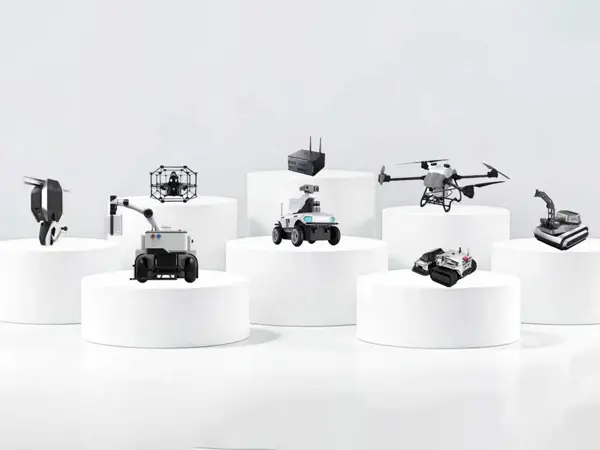
By combining ground robots, aerial drones, and AI-powered analytics, the system creates a comprehensive inspection network that covers both ground-level and elevated areas.

Rather than relying on a single device, the solution is designed as an integrated system:

Ground robots perform close-range inspections

Drones handle high-altitude and large-area scanning

AI systems analyze and detect anomalies

A centralized platform manages operations and data

This creates a closed-loop workflow from inspection execution to analysis and decision-making.

3. Ground Inspection System

Ground inspection robots serve as the primary execution units for routine inspections in complex environments.

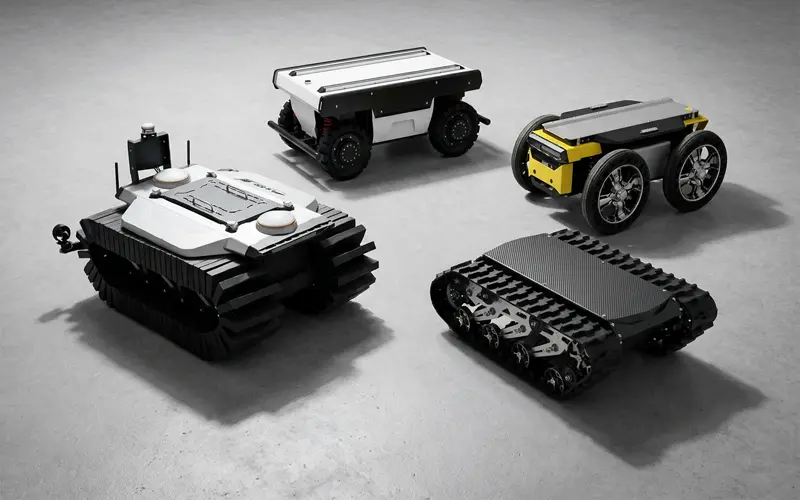
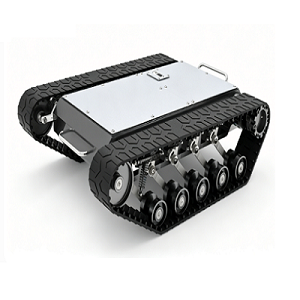
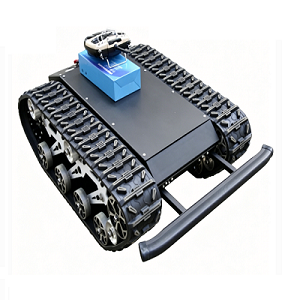
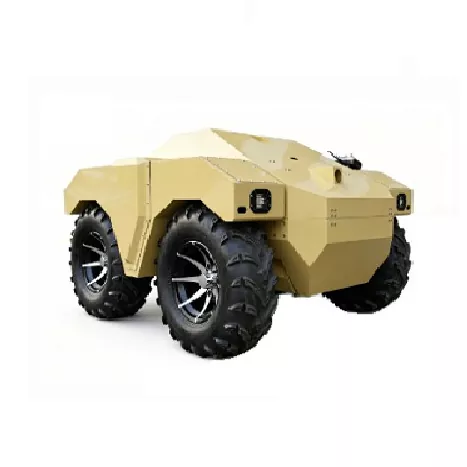
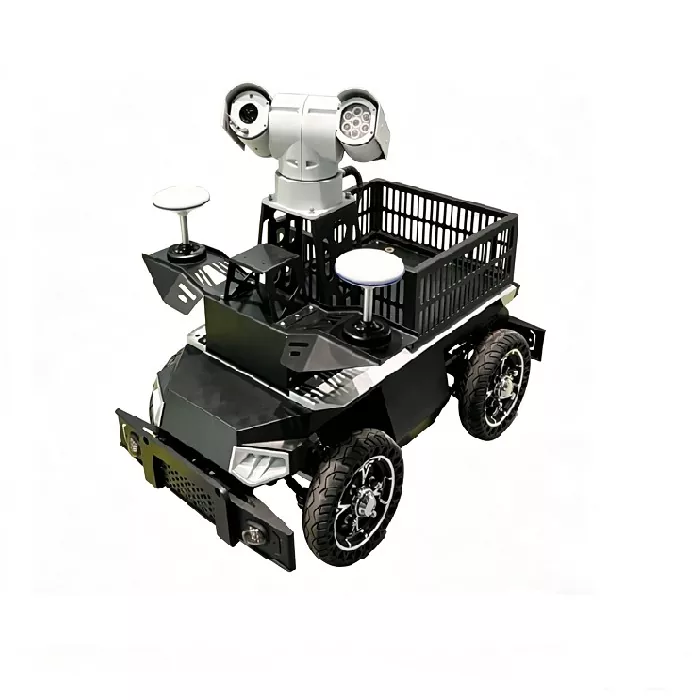
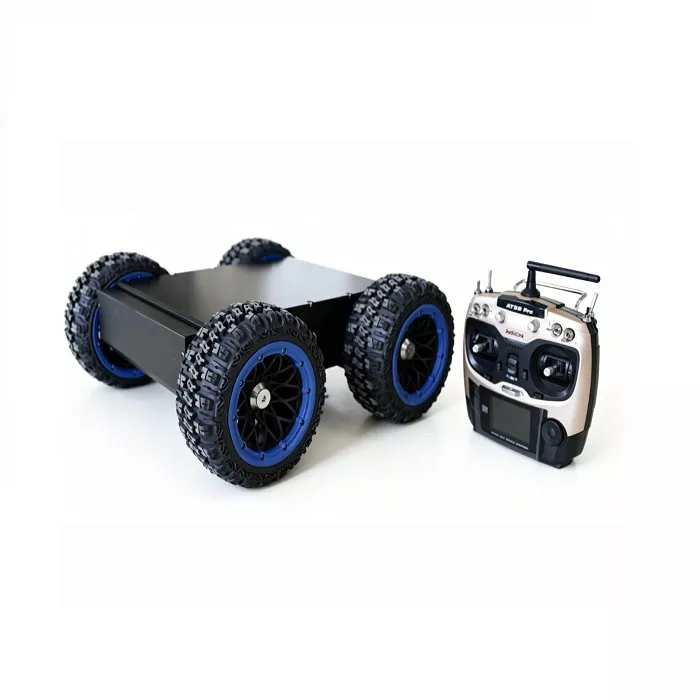
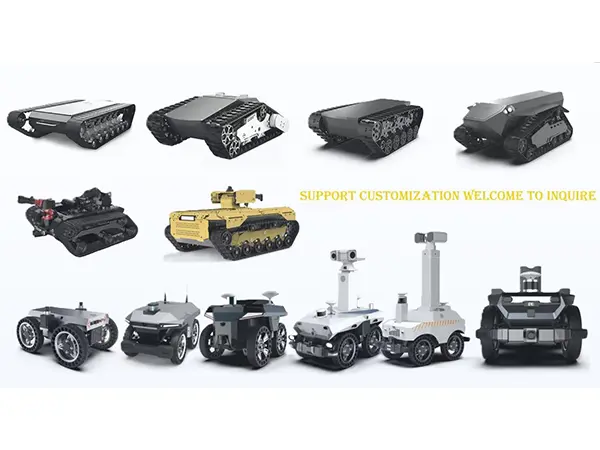
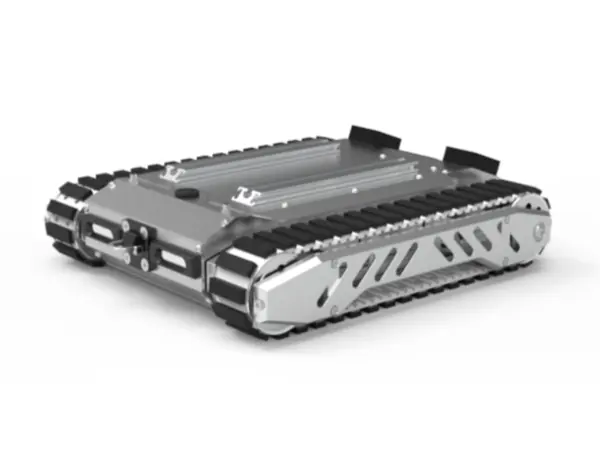
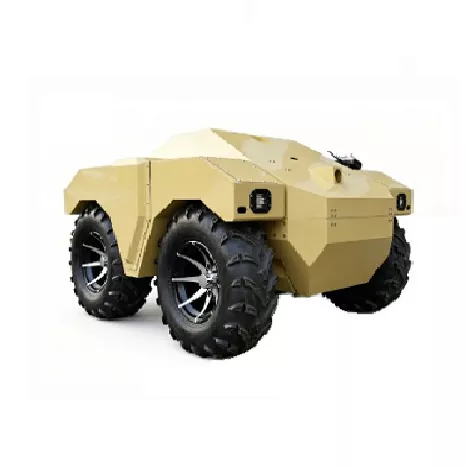
Built on industrial-grade tracked or wheeled platforms, these robots are capable of operating in harsh conditions such as uneven terrain, muddy surfaces, and confined spaces.

They are equipped with multiple sensors to collect comprehensive data:

HD cameras for visual inspection

Thermal imaging for temperature monitoring

Gas sensors for hazardous detection

LiDAR for mapping and navigation

Using SLAM technology, robots can autonomously navigate the site, follow predefined routes, and dynamically adjust to environmental changes.

This makes them particularly effective in hazardous areas such as tunnels, underground spaces, and equipment zones, where human access is limited or risky.

4. Aerial Inspection System

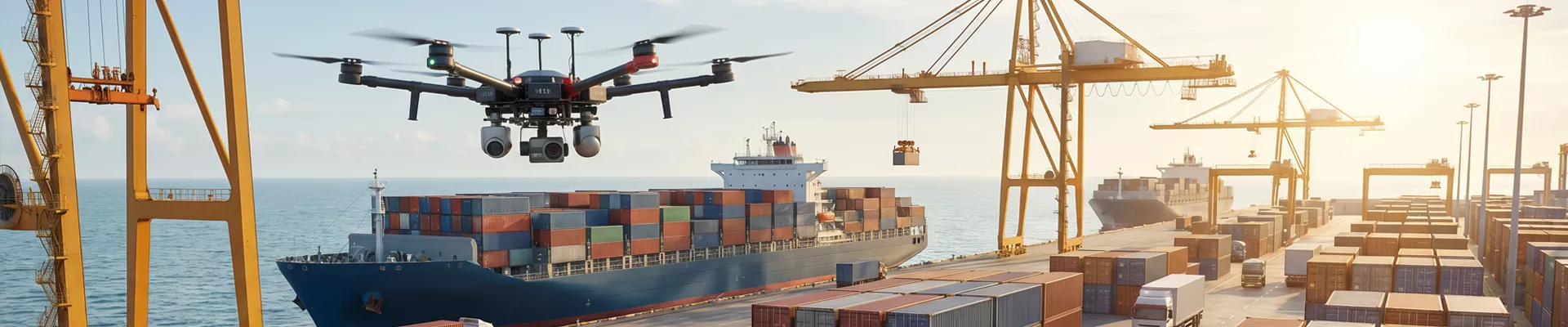
Drones complement ground robots by covering areas that are difficult or dangerous to access.

They are especially useful for inspecting:

High-rise structures

Tower cranes and steel frameworks

Building facades

Large construction zones

With autonomous flight planning, drones can execute repeatable inspection missions, ensuring consistency and coverage.

Equipped with zoom cameras and thermal sensors, they provide high-quality data for further analysis.

5. AI Inspection Intelligence

The AI system transforms raw visual data into actionable insights.

Instead of relying on human observation, the system automatically detects:

Safety violations (e.g., missing protective gear)

Structural issues (cracks, deformation)

Equipment anomalies

Improper material placement

AI models can be continuously trained and optimized based on project requirements, improving accuracy over time.

This shifts inspection from a reactive process to a proactive risk detection system.

6. Inspection Management Platform

The platform acts as the central hub for system control and data management.

It enables:

Real-time monitoring of all devices

Remote task scheduling

Data visualization and reporting

Historical data tracking

Automated alerts for anomalies

With this platform, project managers gain full visibility and control over site operations, even remotely.

7. Standardized Workflow

The system establishes a structured inspection process:

Define inspection plans and zones

Deploy robots and drones automatically

Collect multi-source data

Analyze data using AI

Generate inspection reports

Deliver alerts and insights to management

This standardized workflow ensures consistency and scalability across projects.

8. Business Value & ROI

The deployment of this system delivers significant benefits:

30–50% reduction in inspection labor

Over 2x improvement in inspection efficiency

Reduced safety risks

Enhanced project control and transparency

More importantly, it enables a transition from experience-based management to data-driven decision-making.

9. Customization & Scalability

The solution is highly adaptable:

Hardware can be customized for different terrains and environments

AI models can be tailored to specific inspection needs

Integration with BIM and project management systems is supported

Future expansions may include automated construction monitoring and unmanned site operations.

10. Conclusion

By integrating robotics and AI, this solution fundamentally transforms construction site inspection.

It not only improves efficiency and safety but also provides a robust data foundation for smarter project management, enabling the next generation of intelligent construction sites.

E-mail
info@tjwdhk.cn
Mobile
Address
Room 3025, Building 1, Zone F, Guangxuan Road, Airport International Headquarters Base, Dongli District, Tianjin City, China
X
We use cookies to offer you a better browsing experience, analyze site traffic and personalize content. By using this site, you agree to our use of cookies. Privacy Policy
Reject Accept