Email Us
News & Insights

How Are Service Robots Transforming Modern Industries and Everyday Life?

2026-06-01 0 Leave me a message

Service robots are rapidly becoming essential tools across healthcare, hospitality, logistics, retail, education, public services, and domestic environments. These intelligent machines are designed to assist humans by performing repetitive, dangerous, time-consuming, or customer-facing tasks with high efficiency and accuracy.

This article explores what service robots are, how they work, where they are used, their advantages, challenges, future trends, and how organizations can successfully implement robotic solutions. Whether you are a business owner, technology investor, engineer, or decision-maker, this guide provides valuable insights into one of the most influential technologies shaping the future.

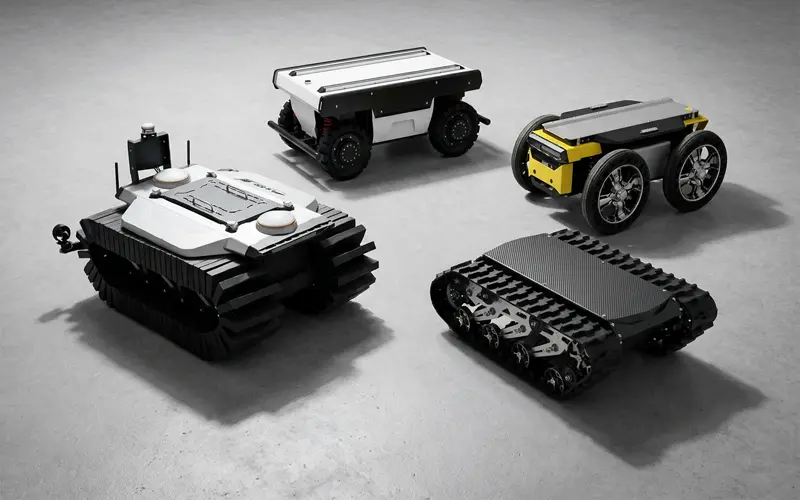
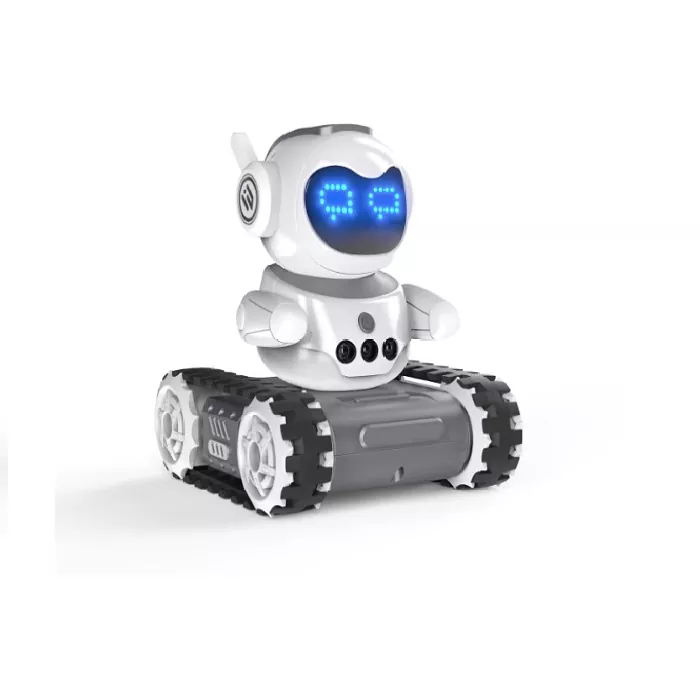
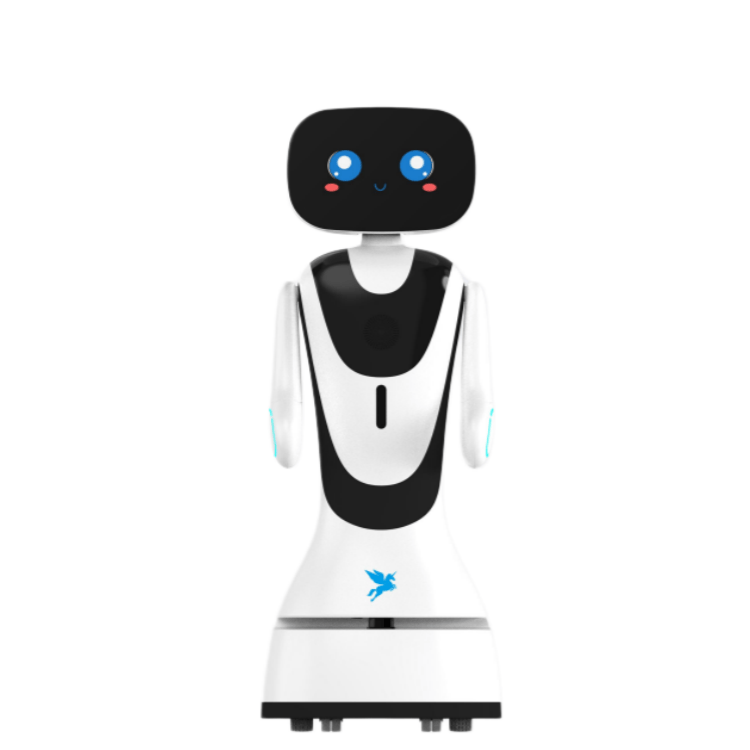
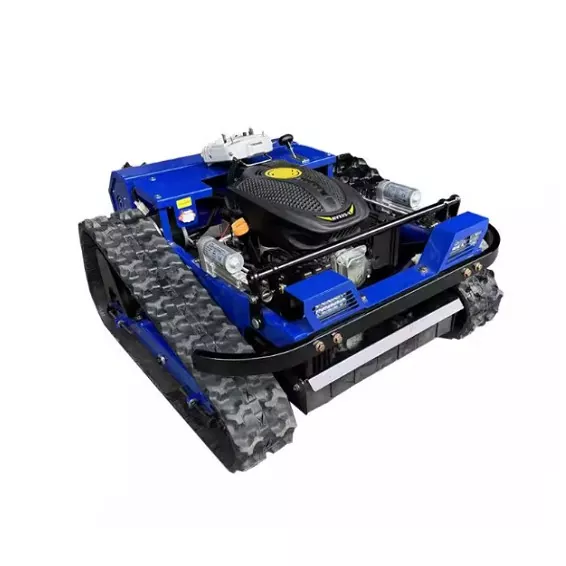
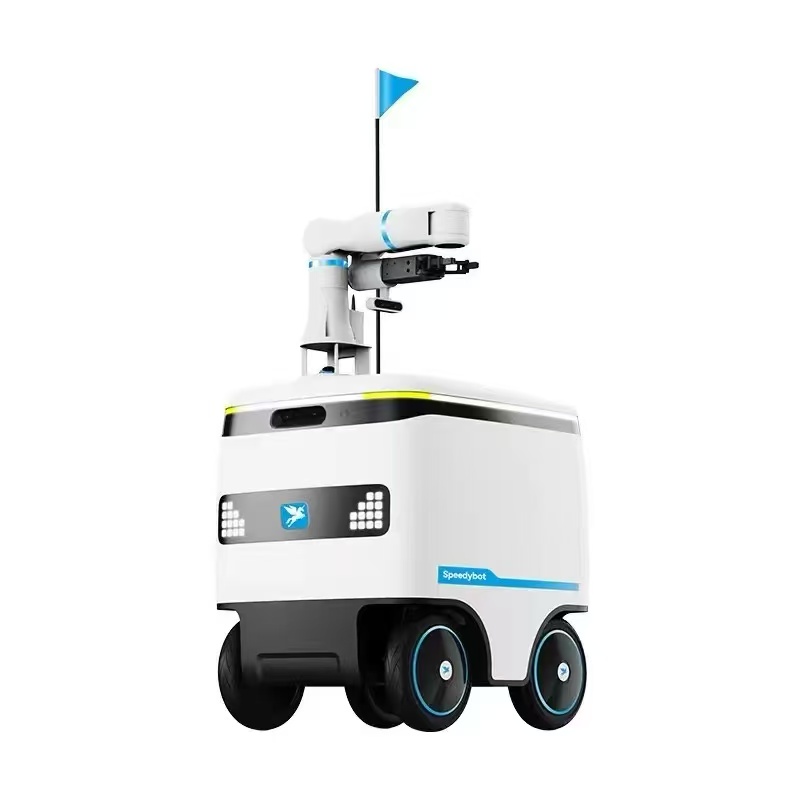
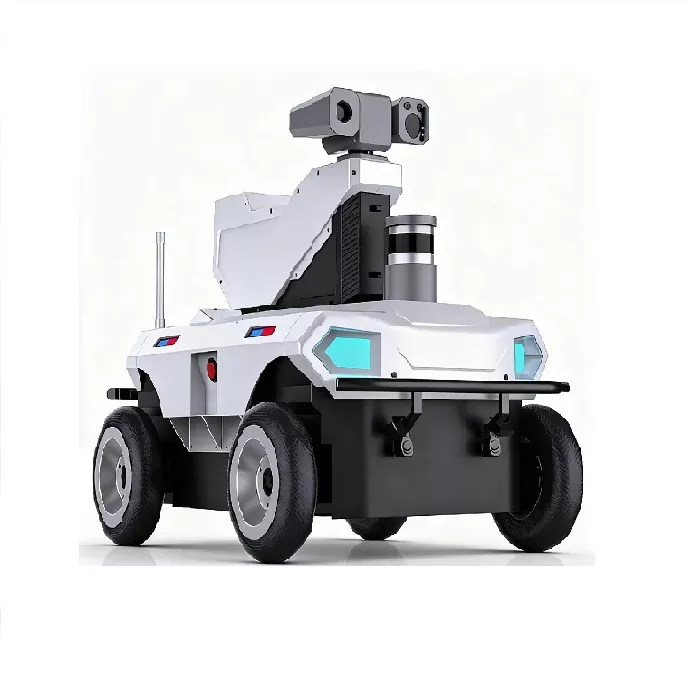
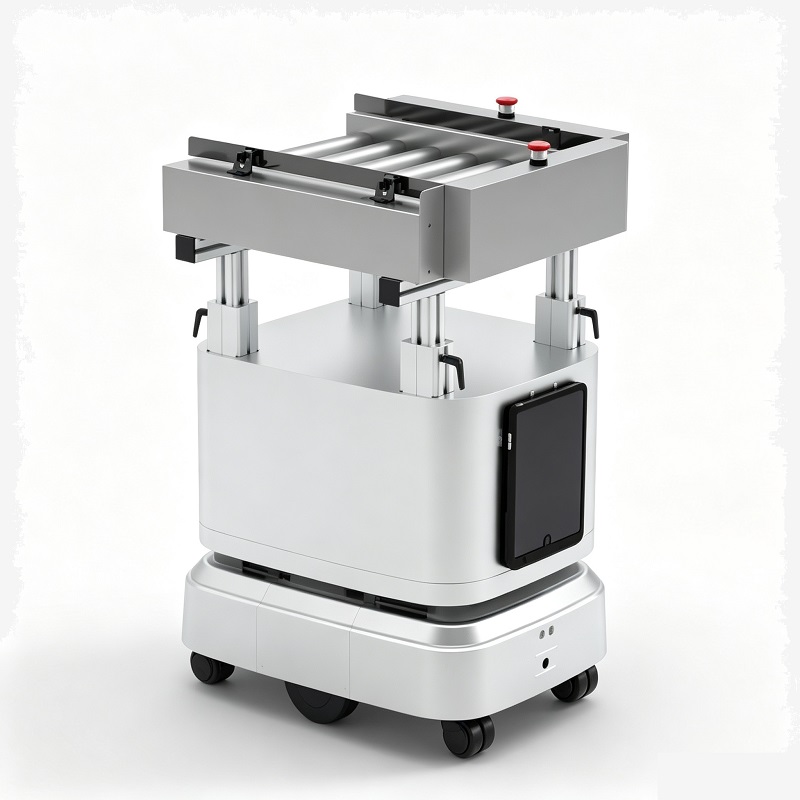
Service robots


1. What Are Service Robots?

Service robots are autonomous or semi-autonomous machines designed to perform useful tasks for humans outside traditional industrial manufacturing environments. Unlike factory robots that mainly focus on production lines, service robots interact directly with people, facilities, products, or environments.

Their primary objective is to improve efficiency, safety, convenience, and service quality while reducing operational costs and labor-intensive workloads.

Modern service robots integrate advanced technologies such as:

  • Artificial Intelligence (AI)
  • Machine Learning
  • Computer Vision
  • Natural Language Processing
  • Autonomous Navigation
  • Sensor Fusion Systems
  • Cloud Computing

2. Why Are Service Robots Becoming So Important?

Organizations worldwide face increasing pressure to improve productivity, maintain service quality, and address labor shortages. Service robots offer practical solutions to these challenges.

Several factors contribute to the rapid adoption of service robots:

  • Growing labor costs
  • Aging populations in many countries
  • Demand for 24/7 operations
  • Need for contactless services
  • Increasing customer expectations
  • Advancements in AI technologies
  • Improved sensor and navigation capabilities

Businesses increasingly recognize that robots are not replacing all human workers. Instead, they complement human capabilities and allow employees to focus on higher-value activities.


3. What Types of Service Robots Exist Today?

The service robotics market includes numerous specialized robot categories.

Robot Type Main Function Typical Environment
Cleaning Robots Floor cleaning and sanitation Homes, hospitals, airports
Delivery Robots Transport goods and supplies Hotels, warehouses, campuses
Medical Robots Patient care and support Healthcare facilities
Hospitality Robots Guest assistance and reception Hotels and restaurants
Security Robots Monitoring and surveillance Commercial facilities
Educational Robots Interactive learning support Schools and universities
Domestic Robots Household assistance Residential homes

4. How Do Service Robots Work?

Service robots combine hardware and software systems that allow them to perceive, analyze, and respond to their surroundings.

A typical workflow includes:

  1. Environmental sensing
  2. Data collection
  3. AI-based decision making
  4. Path planning
  5. Task execution
  6. Performance monitoring
  7. Continuous learning and optimization

Common hardware components include cameras, LiDAR sensors, ultrasonic sensors, robotic arms, wheels, batteries, communication modules, and onboard processors.


5. Where Are Service Robots Used?

Service robots are now deployed across numerous industries.

Healthcare
  • Medicine delivery
  • Patient monitoring
  • Surgical assistance
  • Disinfection operations

Hospitality
  • Room service delivery
  • Guest check-in assistance
  • Multilingual communication
  • Concierge support

Retail
  • Inventory management
  • Customer guidance
  • Product information support
  • Store analytics

Logistics
  • Warehouse transportation
  • Sorting operations
  • Package delivery
  • Inventory tracking

6. What Benefits Do Service Robots Provide?

Organizations investing in service robots often experience measurable improvements in operational performance.

Benefit Description
Higher Efficiency Robots perform repetitive tasks consistently.
Cost Reduction Lower long-term operational expenses.
Improved Safety Reduced human exposure to hazardous environments.
24/7 Operation Continuous service availability.
Data Collection Real-time analytics and insights.
Enhanced Customer Experience Faster and more consistent service delivery.

These advantages explain why industries worldwide are increasing investments in intelligent robotic systems.


7. What Challenges Do Organizations Face?

Despite their advantages, service robot implementation presents several challenges.

  • High initial investment costs
  • Integration with existing systems
  • Employee training requirements
  • Cybersecurity concerns
  • Maintenance expenses
  • Regulatory compliance issues
  • Public acceptance and trust

Successful deployment requires careful planning and realistic expectations regarding return on investment.


8. How Can Businesses Successfully Deploy Service Robots?

A structured deployment strategy significantly increases the likelihood of success.

  1. Identify operational pain points.
  2. Define measurable objectives.
  3. Select suitable robot platforms.
  4. Conduct pilot testing.
  5. Train employees thoroughly.
  6. Monitor performance metrics.
  7. Scale gradually after validation.

Organizations that align robotic solutions with business goals typically achieve better outcomes and faster adoption.


9. What Future Trends Will Shape Service Robots?

The next generation of service robots will become more intelligent, adaptable, and collaborative.

Emerging trends include:

  • Advanced human-robot collaboration
  • AI-powered predictive decision making
  • Cloud robotics ecosystems
  • Swarm robotics
  • Edge computing integration
  • 5G-enabled connectivity
  • Emotion recognition technologies
  • Autonomous mobility improvements

As these technologies mature, robots will become increasingly capable of handling complex real-world tasks.


10. Comparison of Service Robot Applications

Industry Main Goal Expected Outcome
Healthcare Patient support Improved care quality
Hospitality Guest service Better customer satisfaction
Retail Operational efficiency Reduced labor burden
Logistics Material movement Faster fulfillment
Education Interactive learning Enhanced engagement
Security Continuous monitoring Improved protection

11. Frequently Asked Questions

Q1: What is the primary purpose of a service robot?

Service robots assist humans by performing useful tasks that improve efficiency, safety, and convenience across various environments.

Q2: Are service robots only used in businesses?

No. They are widely used in homes, healthcare facilities, educational institutions, public spaces, and commercial environments.

Q3: Can service robots operate autonomously?

Many modern service robots operate autonomously using sensors, AI algorithms, and navigation technologies, although some require human supervision.

Q4: Will service robots replace human workers?

In most cases, robots complement human employees by handling repetitive or hazardous tasks while people focus on decision-making, creativity, and interpersonal interactions.

Q5: What industries benefit most from service robots?

Healthcare, logistics, hospitality, retail, education, security, transportation, and public services are among the sectors seeing significant benefits.

Q6: What should businesses consider before investing?

Companies should evaluate operational needs, expected ROI, integration requirements, maintenance costs, and long-term scalability.


12. Conclusion

Service robots are no longer futuristic concepts—they are practical solutions delivering measurable value across countless industries. Their ability to improve productivity, reduce operational costs, enhance safety, and provide consistent service makes them an increasingly important part of modern business strategies.

As artificial intelligence, connectivity, and autonomous technologies continue advancing, service robots will become even more capable and accessible. Organizations that embrace robotic innovation today will be better positioned to compete, adapt, and grow in tomorrow's technology-driven economy.

Tianjin Weide Aviation Technology Co., Ltd. is committed to delivering innovative robotic technologies designed to improve operational efficiency, automation capabilities, and intelligent service experiences across diverse industries. Contact us today.

Whether you are exploring automation opportunities, evaluating intelligent robotic systems, or planning your next innovation project, our professional team is ready to help you find the right solution for your business.

Related News
Leave me a message
E-mail
info@tjwdhk.cn
Mobile
Address
Room 3025, Building 1, Zone F, Guangxuan Road, Airport International Headquarters Base, Dongli District, Tianjin City, China
X
We use cookies to offer you a better browsing experience, analyze site traffic and personalize content. By using this site, you agree to our use of cookies. Privacy Policy
Reject Accept