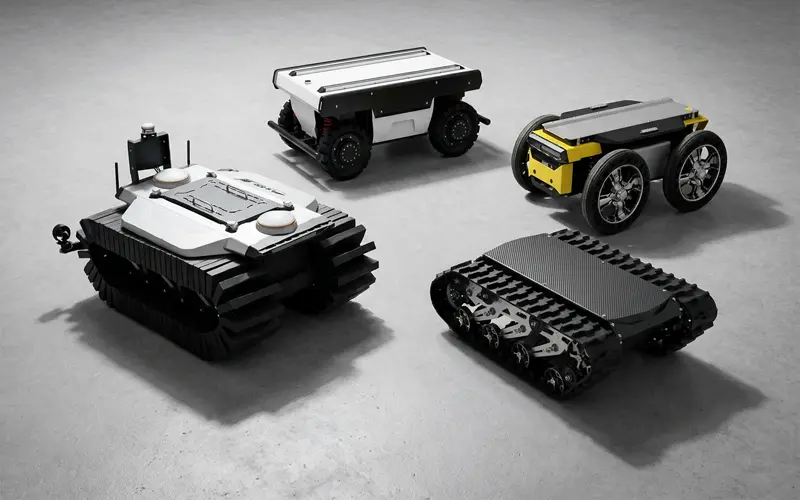
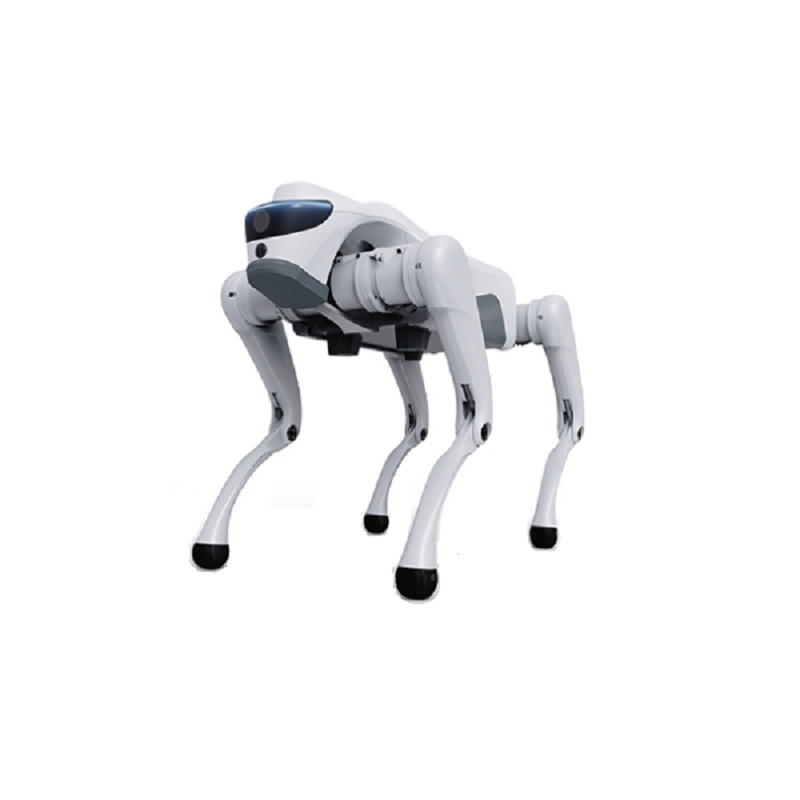
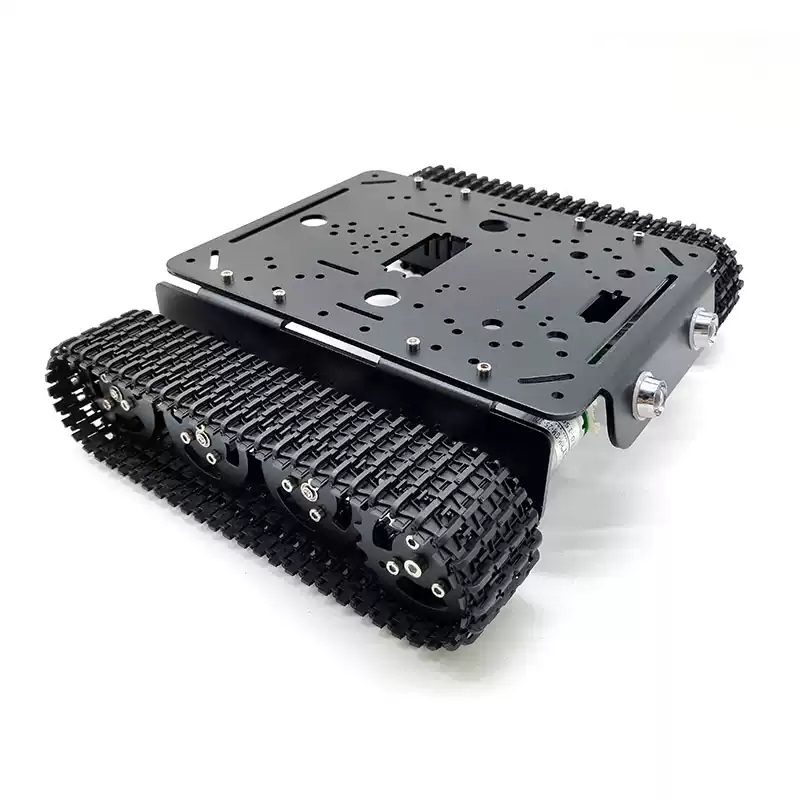
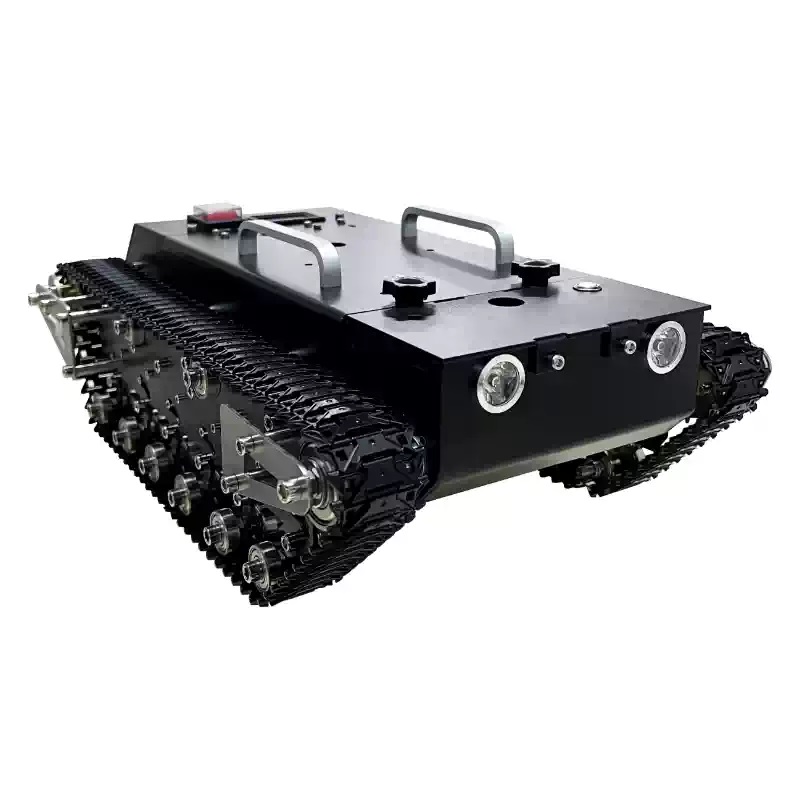
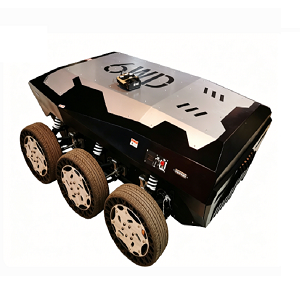
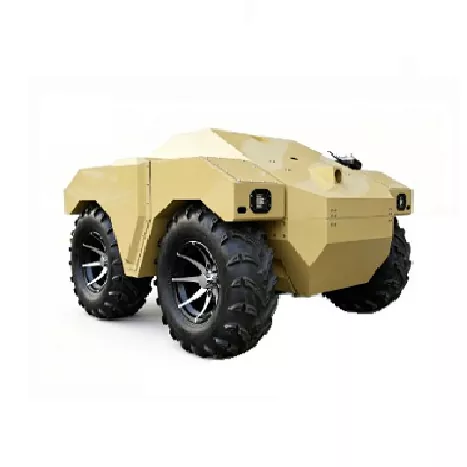
The W6 Heavy-duty Wheeled Platform is designed to transform industrial material handling by combining strength, stability, and mobility into a single engineered solution. In demanding environments such as warehouses, factories, logistics centers, and construction sites, inefficient transport systems often lead to delays, safety risks, and unnecessary labor costs.
Service robots are rapidly becoming essential tools across healthcare, hospitality, logistics, retail, education, public services, and domestic environments. These intelligent machines are designed to assist humans by performing repetitive, dangerous, time-consuming, or customer-facing tasks with high efficiency and accuracy.
Cleaning robots are no longer futuristic gadgets limited to luxury households. Today, they are becoming essential tools for homes, offices, hospitals, warehouses, hotels, and industrial facilities. With smarter navigation systems, AI-powered obstacle detection, automatic charging, and advanced sanitation functions, cleaning robots are helping users save time, reduce labor costs, and improve cleaning efficiency like never before.
For years, logistics operators have watched autonomous vehicles glide along highways and city streets, only to stall at the final bottleneck: the last 100 meters. A package may travel 1,000 kilometers by truck, yet the last leg to a doorstep, office reception, or apartment locker remains stubbornly manual, costly, and error‑prone. This article examines the technological leap, presents field‑proven data, and introduces WEIDE AVIATION’s latest contribution to the autonomous logistics ecosystem.
Discover how all-terrain special platforms improve mobility, efficiency, safety, and operational flexibility across challenging environments including construction sites, mining zones, airports, rescue missions, and remote industrial projects.
Wheeled Platforms have become a critical solution in modern logistics, manufacturing, warehousing, aviation support, and maintenance operations. This article explores how and why these systems are reshaping operational efficiency, reducing labor strain, improving safety, and optimizing workflow in multiple industries. It provides a deep dive into design principles, real-world applications, selection criteria, performance comparisons, and implementation strategies.
We use cookies to offer you a better browsing experience, analyze site traffic and personalize content. By using this site, you agree to our use of cookies.Privacy Policy