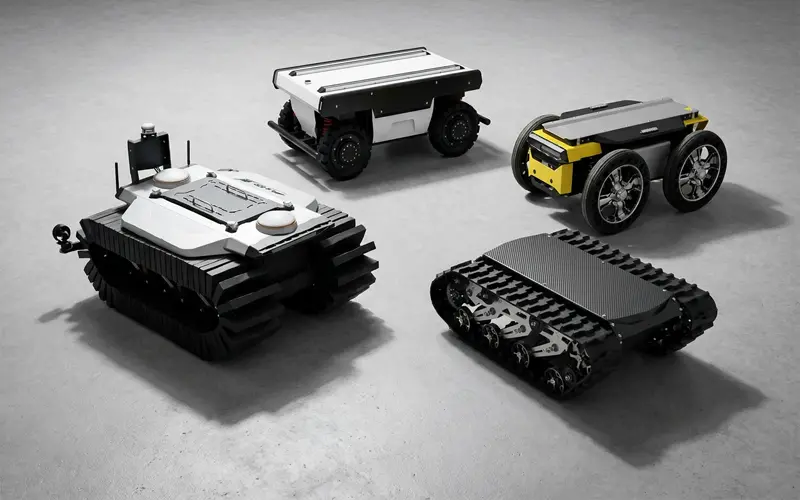
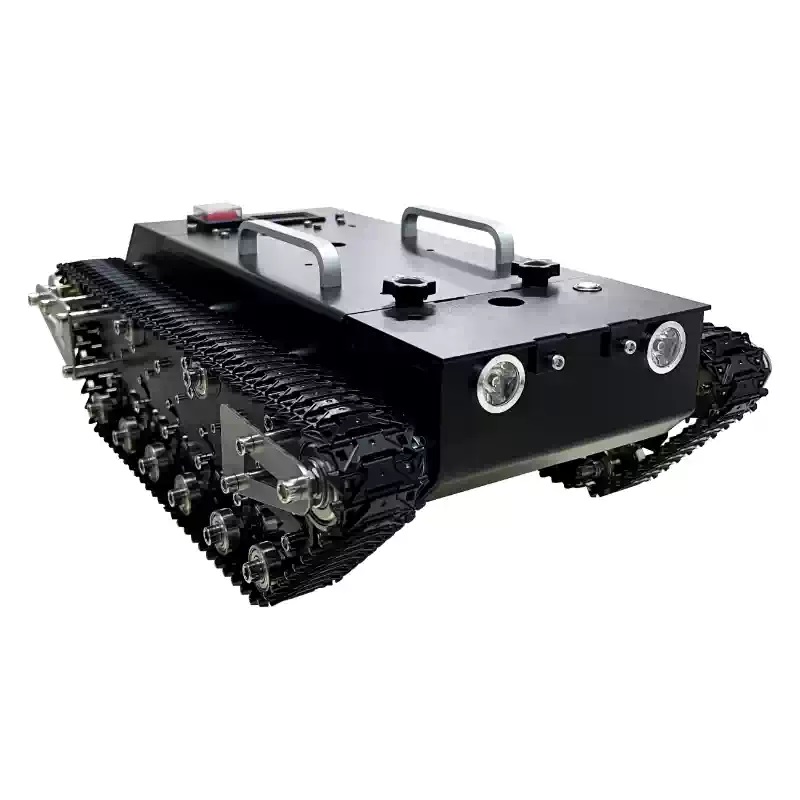
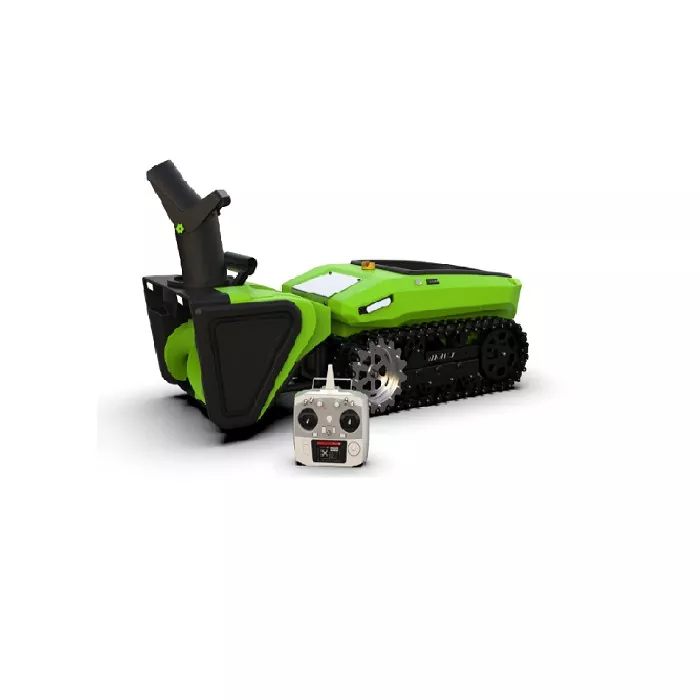
Robotics research teams, university engineering departments and small robot startups often face heavy time and capital pressure in prototype development. Self-developed tracked chassis require lengthy mechanical design, suspension testing and drive debugging; low-cost plastic crawler platforms break easily outdoors and cannot protect high-precision sensors from vibration damage. Many closed-source chassis lock core motion algorithms, forcing developers to spend months adapting underlying control logic. Weide HK WD-WT200S all-metal tracked off-road chassis solves multiple R&D pain points with full metal structure, independent suspension and open STM32 development architecture, lowering the entry threshold for outdoor unmanned vehicle algorithm development and competition prototype production.
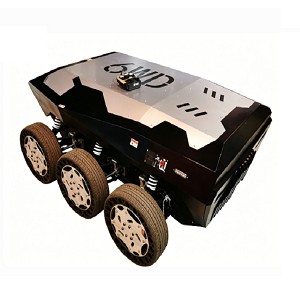
A Six Wheel Wheeled Chassis is an advanced mobile platform designed to provide excellent stability, load capacity, and adaptability across challenging environments. From aerospace exploration and intelligent robotics to industrial automation and special-purpose vehicles, six-wheel chassis systems help overcome common mobility challenges such as uneven terrain, limited traction, vibration control, and heavy payload transportation.
The W6 Heavy-duty Wheeled Platform is designed to transform industrial material handling by combining strength, stability, and mobility into a single engineered solution. In demanding environments such as warehouses, factories, logistics centers, and construction sites, inefficient transport systems often lead to delays, safety risks, and unnecessary labor costs.
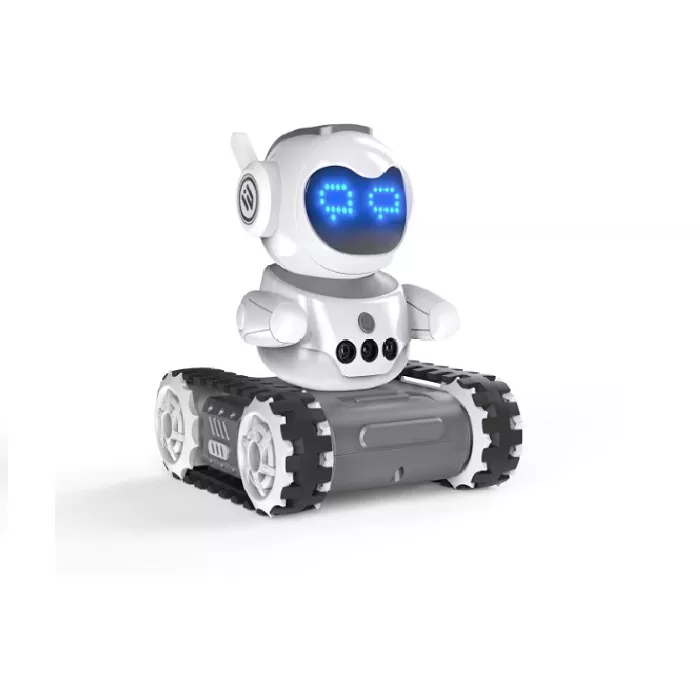
Service robots are rapidly becoming essential tools across healthcare, hospitality, logistics, retail, education, public services, and domestic environments. These intelligent machines are designed to assist humans by performing repetitive, dangerous, time-consuming, or customer-facing tasks with high efficiency and accuracy.
Cleaning robots are no longer futuristic gadgets limited to luxury households. Today, they are becoming essential tools for homes, offices, hospitals, warehouses, hotels, and industrial facilities. With smarter navigation systems, AI-powered obstacle detection, automatic charging, and advanced sanitation functions, cleaning robots are helping users save time, reduce labor costs, and improve cleaning efficiency like never before.
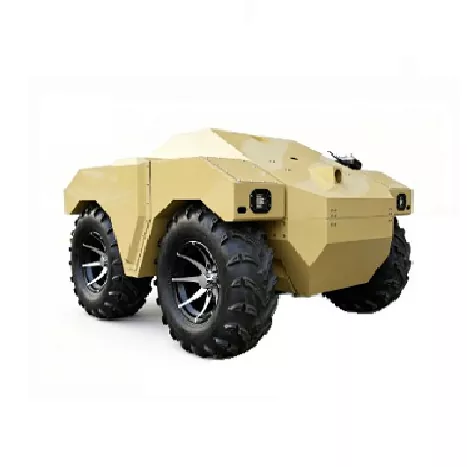
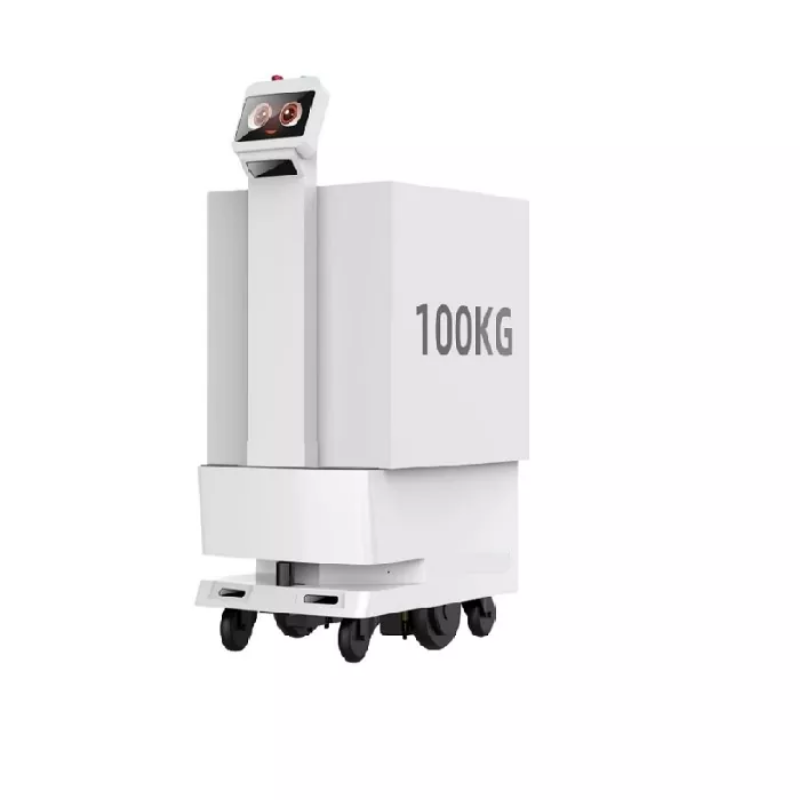
For years, logistics operators have watched autonomous vehicles glide along highways and city streets, only to stall at the final bottleneck: the last 100 meters. A package may travel 1,000 kilometers by truck, yet the last leg to a doorstep, office reception, or apartment locker remains stubbornly manual, costly, and error‑prone. This article examines the technological leap, presents field‑proven data, and introduces WEIDE AVIATION’s latest contribution to the autonomous logistics ecosystem.
We use cookies to offer you a better browsing experience, analyze site traffic and personalize content. By using this site, you agree to our use of cookies. Privacy Policy