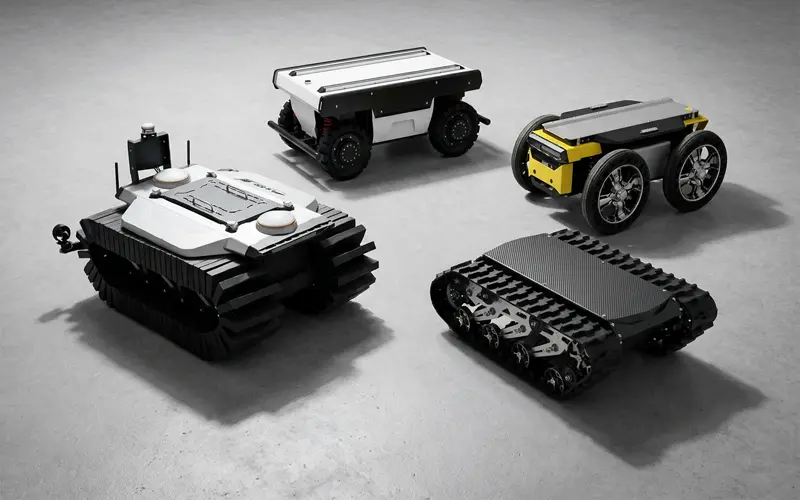
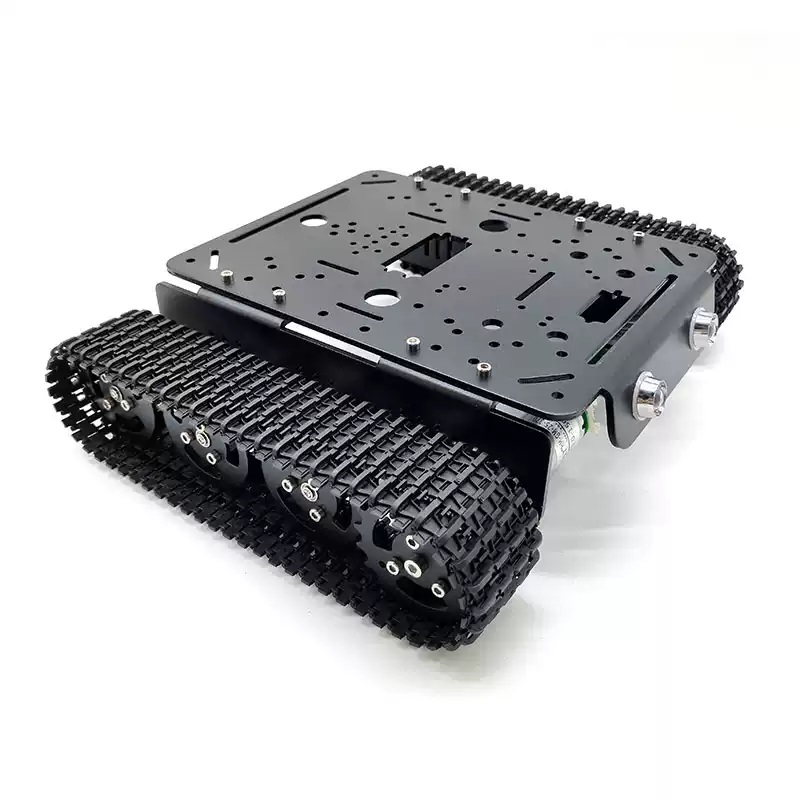
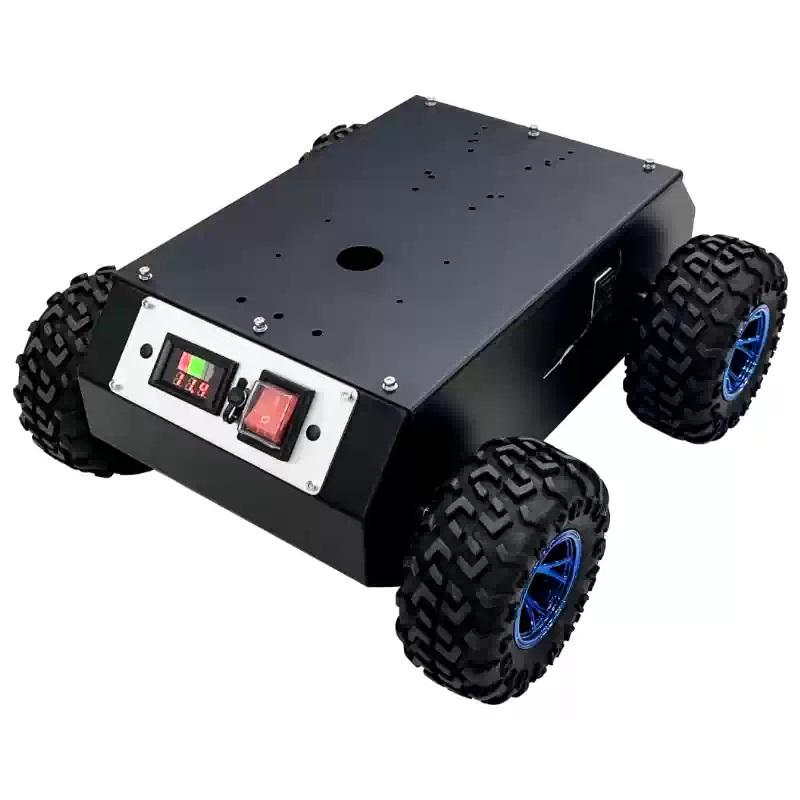
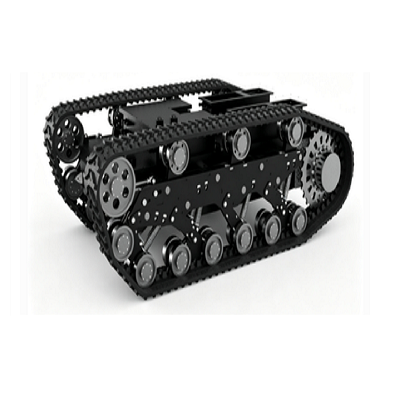
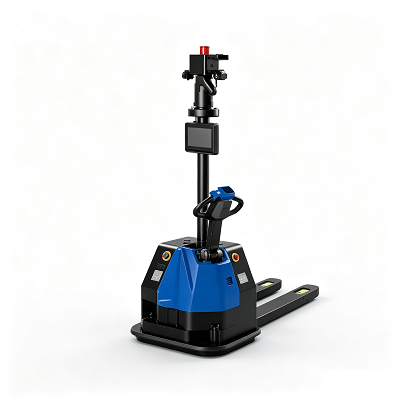
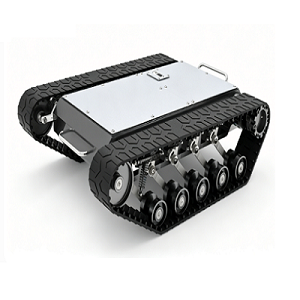
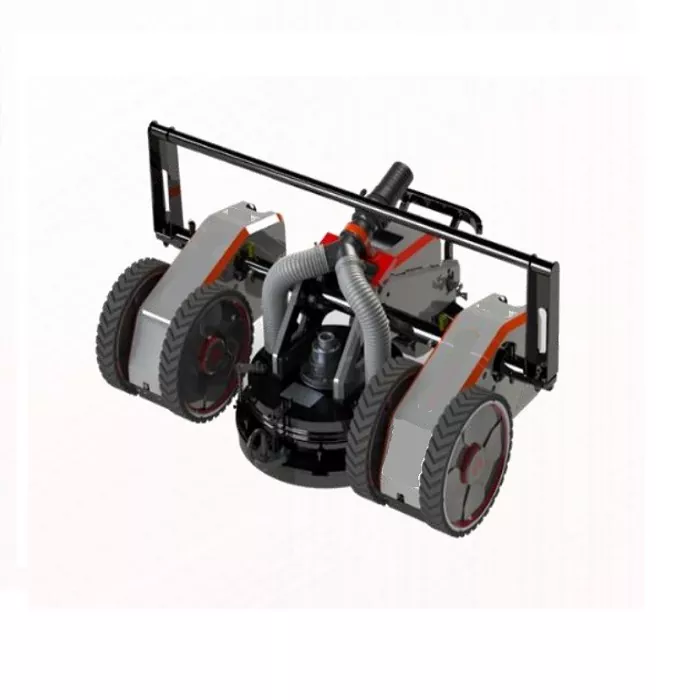
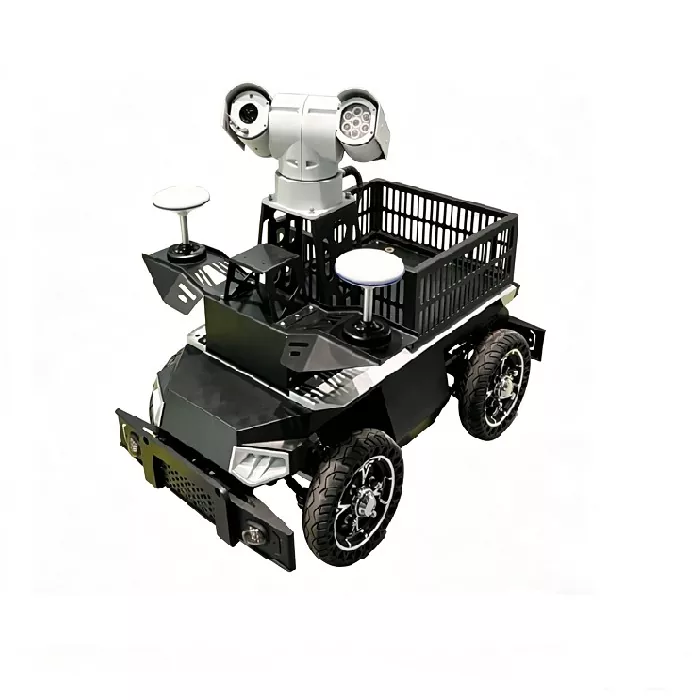
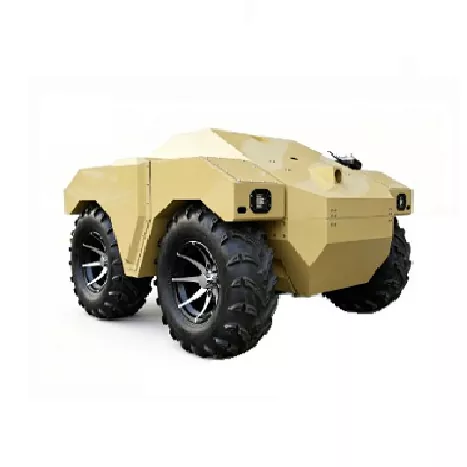
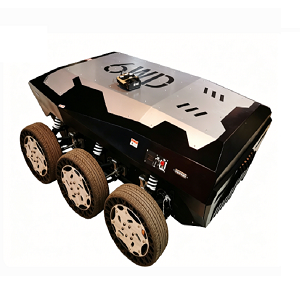
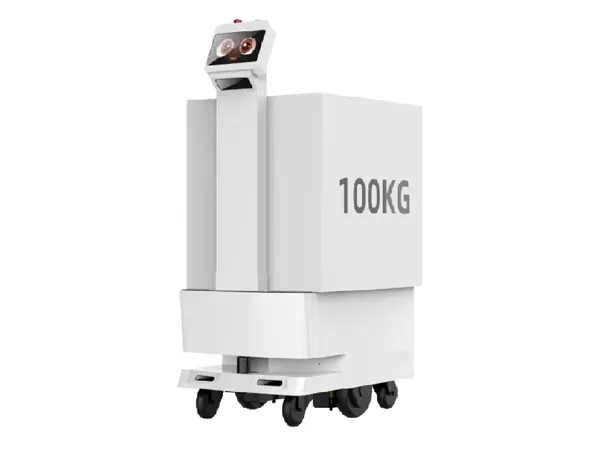
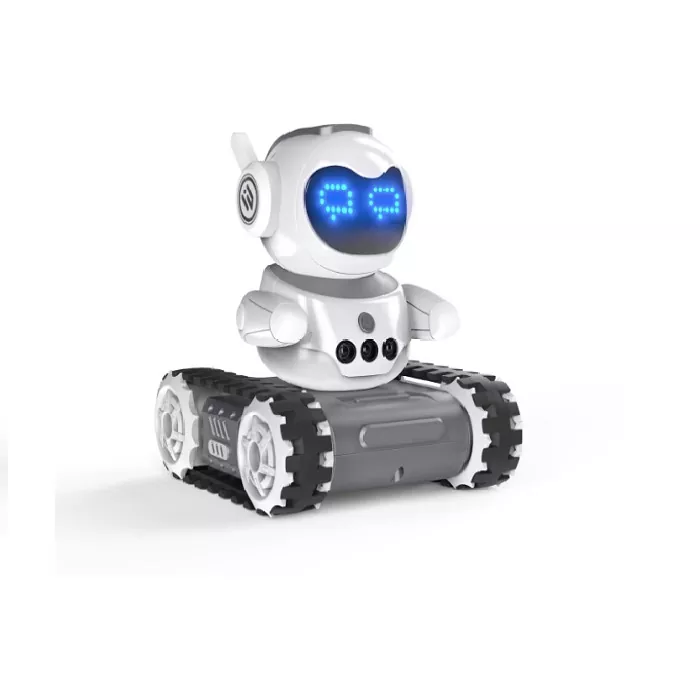
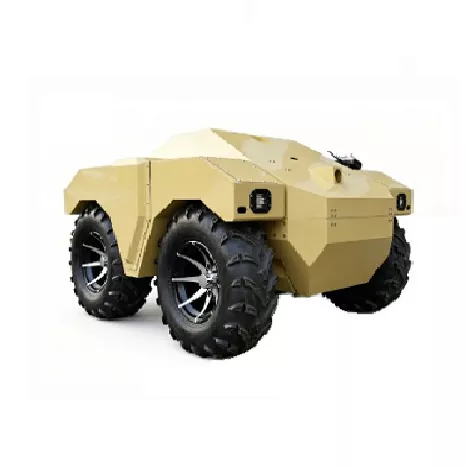
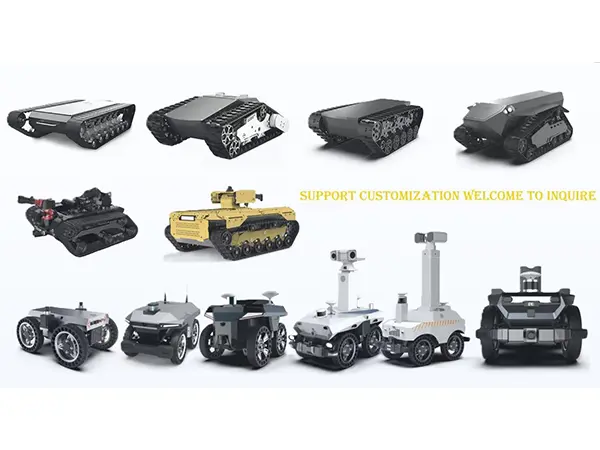
Educational robots have become an important tool for STEM education, engineering training, and innovative learning environments. However, the performance of an educational robot depends heavily on the stability, flexibility, and reliability of its foundation—the robot chassis. An advanced Educational Robot Chassis provides strong structural support, accurate movement control, and excellent compatibility with various sensors and electronic components.
This article explains how an Educational Robot Chassis solves common challenges faced by schools, laboratories, and robot developers, including unstable movement, limited expansion capability, difficult assembly, and poor durability. It also explores the importance, application value, and future development trends of robot chassis systems.
Educational robotics is transforming the way students learn science, technology, engineering, and mathematics. From primary schools to advanced research laboratories, robots are helping learners understand programming, mechanical design, automation, and intelligent control systems.
While software and electronic components receive significant attention, the mechanical foundation of a robot is equally important. The robot chassis acts as the structural framework that supports motors, controllers, batteries, sensors, and other modules. Without a reliable chassis, even the most advanced programming system cannot achieve stable and accurate operation.
An Educational Robot Chassis is specifically designed to meet the needs of learning environments. Unlike industrial robot bases that focus mainly on heavy-duty production, educational chassis systems emphasize flexibility, safety, easy assembly, and compatibility with different teaching modules.
For schools, training institutions, and robot developers, selecting the right chassis can significantly improve teaching efficiency, reduce maintenance costs, and provide students with a better hands-on learning experience.
Many educational institutions and robot developers encounter similar problems when building learning robots. These challenges can affect both teaching results and student engagement.
| Common Challenge | Impact on Robot Performance | Required Solution |
|---|---|---|
| Unstable mechanical structure | Robot vibration, inaccurate movement, and frequent failures | A strong and precisely designed chassis structure |
| Limited expansion space | Difficult installation of sensors and additional modules | Modular chassis design with flexible mounting options |
| Complex assembly process | Students spend more time building instead of learning | User-friendly structure for quick installation |
| Poor durability | Higher replacement costs and maintenance requirements | High-quality materials and reliable manufacturing |
A professional Educational Robot Chassis provides a complete mechanical solution that improves robot reliability and learning efficiency. It is not only a supporting platform but also an essential educational component that allows students to explore robotics concepts more effectively.
Movement accuracy is one of the most important requirements for educational robots. A weak chassis can cause imbalance, motor overload, and inaccurate navigation. A well-designed chassis ensures that motors operate smoothly while maintaining proper weight distribution.
With optimized mechanical design, students can focus on programming and control strategies instead of spending excessive time solving mechanical problems.
Modern educational robots require customization. Different courses may require different sensors, cameras, robotic arms, or communication modules.
A modular Educational Robot Chassis allows users to easily add or replace components. This flexibility encourages creativity and enables students to experiment with different robot structures.
Educational environments require equipment that is safe and easy to operate. A quality chassis minimizes exposed mechanical risks and provides a stable platform for repeated classroom activities.
For teachers, this means less preparation time and fewer equipment issues during lessons. For students, it creates a more enjoyable and effective learning experience.
When selecting a robot chassis for educational applications, several technical features determine its overall performance and value.
| Feature | Description | Educational Value |
|---|---|---|
| Lightweight Structure | Reduces energy consumption while maintaining strength | Allows longer operation and easier handling |
| Modular Compatibility | Supports different electronic and mechanical components | Encourages creative robot development |
| Precise Manufacturing | Ensures accurate assembly and stable movement | Improves experiment reliability |
| Durable Materials | Provides resistance against repeated classroom use | Reduces replacement and maintenance costs |
The application range of Educational Robot Chassis continues to expand as robotics education becomes more popular worldwide. From basic programming classes to advanced engineering research, a reliable chassis provides students with a practical platform to transform theoretical knowledge into real-world projects.
A suitable robot chassis enables learners to understand the relationship between mechanical structures, electronic systems, and software programming. By assembling and modifying robots, students can develop problem-solving skills, creativity, and engineering thinking.
| Learning Aspect | Improvement |
|---|---|
| Mechanical Engineering Skills | Students learn about structures, materials, movement systems, and mechanical optimization. |
| Programming Ability | Students can test algorithms through real robot movement and control. |
| Innovation Capability | Modular designs encourage students to create unique robot solutions. |
| Team Collaboration | Robot projects improve communication and project management skills. |
Different educational projects require different robot structures. Choosing the right chassis type can directly influence robot performance and learning effectiveness.
| Chassis Type | Main Features | Suitable Applications |
|---|---|---|
| Two-Wheel Drive Chassis | Simple structure, easy control, and low learning difficulty | Beginner programming courses and basic robot projects |
| Four-Wheel Drive Chassis | Higher stability and stronger carrying capacity | Advanced educational robots and competition platforms |
| Tracked Robot Chassis | Excellent obstacle-crossing ability and terrain adaptability | Outdoor exploration and special robotics training |
| Omnidirectional Chassis | Flexible movement in multiple directions | Advanced robotics research and intelligent navigation projects |
Traditional fixed robot structures often limit students' creativity because components cannot be easily replaced or upgraded. Modern educational robot platforms increasingly adopt modular chassis designs to support different teaching levels.
A beginner can start with a simple motor and controller setup, while advanced students can add cameras, sensors, robotic arms, and artificial intelligence modules. This progressive learning approach allows the same chassis platform to support multiple educational stages.
Selecting an Educational Robot Chassis requires careful consideration of application requirements, teaching goals, and future expansion possibilities. A low-quality chassis may increase maintenance problems and limit learning opportunities.
The future of educational robotics will focus on intelligence, flexibility, and accessibility. As artificial intelligence, automation, and smart manufacturing technologies continue developing, educational robot platforms will become more powerful and easier to use.
Future Educational Robot Chassis designs are expected to integrate more intelligent features, including improved sensor compatibility, lightweight materials, wireless communication systems, and faster modular upgrades.
| Future Trend | Expected Development |
|---|---|
| Smart Modular Systems | Robot structures will support faster customization and intelligent component management. |
| Lightweight Materials | Advanced materials will improve efficiency while maintaining strength. |
| AI Integration | Robots will provide more opportunities for machine learning and autonomous control education. |
| Cloud-Based Learning | Students will collaborate remotely through connected robotic platforms. |
As educational requirements continue to evolve, manufacturers with strong engineering capabilities will play an important role in providing reliable robotics platforms. Tianjin Weide Aviation Technology Co., Ltd. focuses on developing advanced aviation and robotics-related technologies, providing professional solutions designed to meet different educational and research needs.
An Educational Robot Chassis is the mechanical foundation of a learning robot. It supports motors, controllers, sensors, batteries, and other components while providing stable movement and structural protection.
The chassis determines the robot's stability, mobility, and expansion capability. A reliable chassis helps students build functional robots more efficiently and improves practical learning results.
Yes. Many educational robot chassis systems support customization according to teaching requirements, including size, mounting options, material selection, and component compatibility.
Schools should consider product quality, manufacturing experience, customization capability, technical support, and compatibility with existing educational systems when selecting a supplier.
A high-quality Educational Robot Chassis is the foundation of successful robotics education. It improves robot stability, supports creative development, and provides students with valuable engineering experience. Whether for classroom teaching, laboratory research, or robotics competitions, choosing a reliable chassis solution can significantly improve project efficiency and learning outcomes.
Tianjin Weide Aviation Technology Co., Ltd. is committed to providing professional technology solutions and reliable mechanical platforms for innovative applications. With strong engineering experience and a focus on quality, the company helps customers create more efficient and flexible educational robotics systems.
Looking for a reliable Educational Robot Chassis solution for your school, laboratory, or robotics project?
Contact us today to discuss your requirements and discover customized robot chassis solutions from Tianjin Weide Aviation Technology Co., Ltd.