Email Us
News & Insights

How Does a Six Wheel Wheeled Chassis Improve Mobility and Stability in Advanced Applications?

2026-07-29 0 Leave me a message

A Six Wheel Wheeled Chassis is an advanced mobile platform designed to provide excellent stability, load capacity, and adaptability across challenging environments. From aerospace exploration and intelligent robotics to industrial automation and special-purpose vehicles, six-wheel chassis systems help overcome common mobility challenges such as uneven terrain, limited traction, vibration control, and heavy payload transportation.


This article explains how a Six Wheel Wheeled Chassis works, why it is becoming increasingly important, what advantages it offers compared with traditional mobility solutions, and how professional manufacturers such as Tianjin Weide Aviation Technology Co., Ltd. support customers with reliable and customized chassis solutions.

Six Wheel Wheeled Chassis


Table of Contents


1. What Is a Six Wheel Wheeled Chassis?

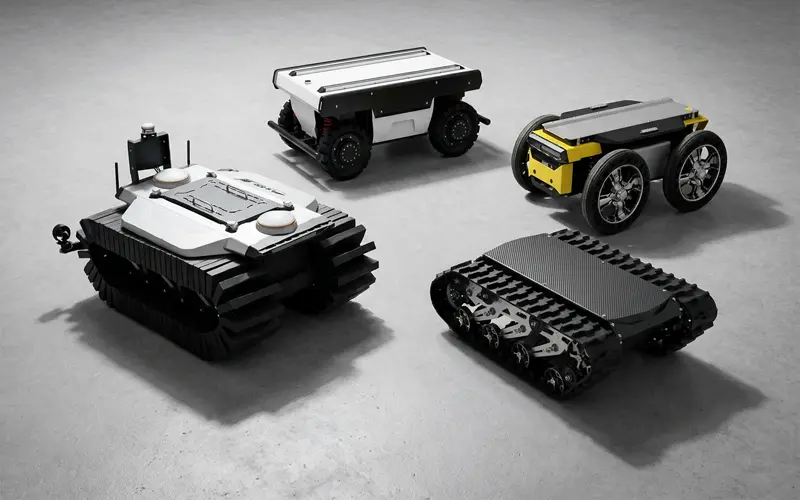
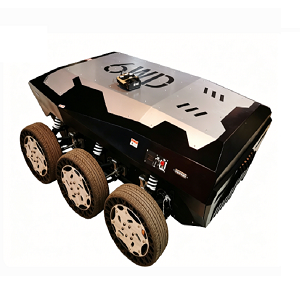
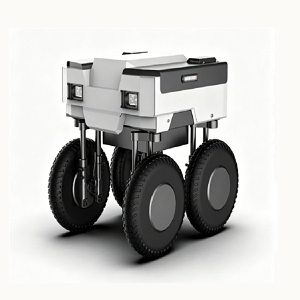
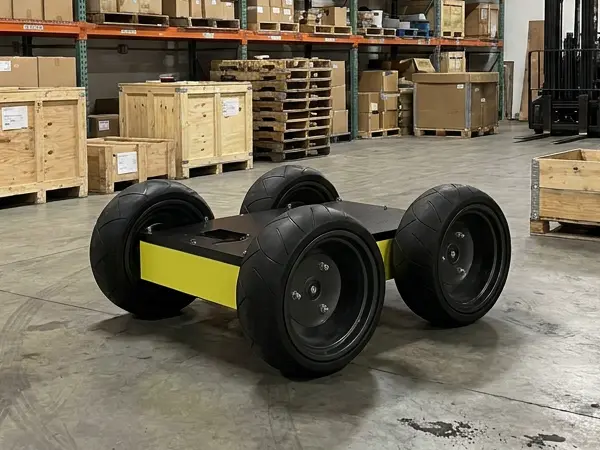
A Six Wheel Wheeled Chassis is a specialized mechanical platform equipped with six wheels that provides movement capability for various vehicles, robots, and intelligent equipment. Unlike conventional four-wheel systems, six-wheel configurations distribute weight more evenly and improve contact with the ground, allowing the platform to operate efficiently under complex environmental conditions.

The chassis acts as the foundation of a mobile system. It supports essential components such as motors, batteries, control systems, sensors, communication equipment, and payload modules. A well-designed Six Wheel Wheeled Chassis ensures that these components can move safely while maintaining balance and operational accuracy.

In modern engineering applications, mobility is often one of the biggest challenges. Traditional platforms may experience difficulties when facing obstacles, unstable surfaces, or heavy loads. The six-wheel design solves these issues by increasing traction points and improving terrain adaptability.


2. How Does the Structure of a Six Wheel Chassis Work?

The performance of a Six Wheel Wheeled Chassis depends on several integrated components. Each part contributes to overall mobility, reliability, and control precision.

Component Function Customer Benefit
Six Wheel Configuration Provides multiple ground contact points Improves stability and reduces the risk of tipping
Drive System Controls wheel movement and power transmission Ensures smooth and efficient operation
Suspension Mechanism Absorbs shocks from uneven surfaces Protects equipment and improves riding performance
Chassis Frame Supports payload and internal components Provides structural strength and durability
Control Interface Connects sensors and intelligent systems Enables precise movement management

A key advantage of the six-wheel structure is its ability to maintain continuous contact with the ground. When one or two wheels encounter obstacles, the remaining wheels continue providing support and driving force.

This design principle is especially valuable in environments where reliability is critical, including exploration areas, industrial sites, and outdoor robotic operations.


3. Why Choose a Six Wheel Wheeled Chassis?

Customers selecting a mobile platform usually focus on several important concerns: stability, carrying capacity, maintenance requirements, adaptability, and long-term reliability. A Six Wheel Wheeled Chassis addresses these requirements through advanced mechanical design.

3.1 Superior Stability on Complex Terrain

One of the biggest advantages of six-wheel systems is improved balance. With three wheels on each side, the platform achieves better weight distribution compared with many traditional designs.

  • Reduces vibration during movement
  • Improves obstacle-crossing ability
  • Maintains stable operation on slopes and uneven surfaces
  • Supports sensitive equipment requiring precise positioning

3.2 Higher Load-Carrying Capability

For applications involving heavy equipment or valuable instruments, load capacity is a critical factor. More wheels allow the chassis to distribute weight across a larger surface area, reducing pressure on individual components.

Requirement Six Wheel Chassis Solution
Heavy payload transportation Multiple wheels share mechanical stress
Long operating time Stable structure reduces component fatigue
Outdoor operation Enhanced traction and terrain adaptability

3.3 Flexible Movement Capability

Modern Six Wheel Wheeled Chassis systems can integrate intelligent control technology, allowing precise direction changes, speed adjustment, and autonomous navigation.

This flexibility makes them suitable for both manually controlled equipment and advanced unmanned systems.


4. Where Are Six Wheel Chassis Systems Used?

The demand for Six Wheel Wheeled Chassis solutions continues to grow because many industries require mobile platforms that can operate in difficult environments. From aerospace exploration to industrial automation, these chassis systems provide dependable mobility where traditional transportation methods may not be effective.

4.1 Aerospace and Exploration Equipment

Aerospace-related projects often require vehicles that can travel across unpredictable surfaces while carrying sensitive instruments. A Six Wheel Wheeled Chassis provides the necessary stability and traction for exploration robots, inspection equipment, and specialized mobile platforms.

  • Excellent performance on rough terrain
  • Reliable support for scientific instruments
  • Reduced mechanical stress during movement
  • Adaptable structure for customized mission requirements

For aerospace technology developers, choosing a professional chassis supplier is essential because the mobility system directly influences mission reliability and operational efficiency.

4.2 Industrial Automation and Smart Manufacturing

Modern factories increasingly use autonomous mobile platforms to improve productivity. Six-wheel chassis systems can serve as the foundation for automated inspection robots, transportation vehicles, and intelligent service equipment.

Industry Application Example Main Advantage
Manufacturing Automated material transport robots Stable movement with heavy loads
Energy Equipment inspection vehicles Reliable operation in complex locations
Research Mobile testing platforms Flexible customization options
Security Remote monitoring vehicles Long-distance controlled operation

4.3 Special Transportation and Robotic Platforms

Many robotic systems require a strong mechanical foundation. The six-wheel design provides a balance between speed, stability, and payload capacity, making it suitable for unmanned vehicles and intelligent equipment.

Whether operating indoors or outdoors, a properly engineered chassis can improve operational safety while reducing maintenance frequency.


5. Six Wheel Chassis Compared with Other Mobility Platforms

Different mobility solutions have different strengths. Understanding the differences helps engineers and purchasing teams choose the most suitable platform for their projects.

Chassis Type Advantages Limitations Suitable Applications
Four Wheel Chassis Simple structure and lower cost Limited obstacle-crossing ability Flat surfaces and basic transportation
Six Wheel Wheeled Chassis Excellent stability, traction, and load distribution More complex mechanical design Robotics, aerospace, industrial vehicles
Tracked Chassis Strong terrain adaptability Higher energy consumption and maintenance needs Extremely rough environments

Compared with tracked systems, six-wheel platforms usually offer better energy efficiency and easier maintenance. Compared with four-wheel designs, they provide stronger stability and improved mobility on uneven surfaces.

For customers seeking a balance between performance, reliability, and operating cost, the Six Wheel Wheeled Chassis is often an ideal solution.


6. How to Select the Right Six Wheel Wheeled Chassis?

Choosing the correct chassis requires careful evaluation of application requirements. A suitable design should match the operating environment, payload requirements, control system, and expected service life.

6.1 Consider Load Requirements

The first factor is the total weight that the chassis needs to support. Customers should consider not only the equipment weight but also batteries, sensors, accessories, and future upgrades.

  • Determine maximum payload capacity
  • Evaluate weight distribution
  • Check frame strength and durability
  • Consider additional expansion requirements

6.2 Evaluate Operating Environment

Different environments require different mechanical designs. A chassis used indoors may focus on compact movement, while outdoor applications require stronger protection and terrain adaptability.

Environment Important Features
Indoor Facilities Compact size, precise control, smooth operation
Outdoor Terrain Strong traction, shock resistance, weather protection
Research Projects Flexible customization and modular design
Industrial Sites High durability and continuous operation capability

6.3 Choose a Reliable Manufacturing Partner

A high-quality chassis depends on advanced engineering, accurate manufacturing, and strict quality management. Working with an experienced supplier helps reduce development risks and ensures that the final system meets project expectations.

Tianjin Weide Aviation Technology Co., Ltd. focuses on providing professional mobility solutions and customized chassis systems for advanced applications. With engineering experience and technical capabilities, the company helps customers develop reliable platforms designed for demanding environments.


7. Future Development Trends of Six Wheel Mobility Systems

As automation and intelligent technologies continue developing, Six Wheel Wheeled Chassis systems are becoming more advanced. Future designs will focus on smarter control, improved efficiency, and greater adaptability.

7.1 Integration with Intelligent Control Systems

Modern chassis platforms are increasingly connected with sensors, artificial intelligence systems, and autonomous navigation technologies. These improvements allow vehicles to make decisions, avoid obstacles, and complete tasks with less human intervention.

7.2 Lightweight and High-Strength Materials

Future chassis designs will use advanced materials to achieve better performance while reducing overall weight. Lightweight structures can improve energy efficiency and extend operating time.

7.3 Modular Customization

Different industries have different requirements. Modular chassis designs allow customers to adapt platforms quickly by changing payload modules, control systems, and accessories.

  • Faster product development
  • Lower modification costs
  • Greater application flexibility
  • Easier maintenance and upgrades

8. Frequently Asked Questions

What makes a Six Wheel Wheeled Chassis different from a four-wheel design?

A Six Wheel Wheeled Chassis provides more contact points with the ground, improving stability, traction, and load distribution. This makes it more suitable for uneven terrain and heavy-duty applications.

Can a six-wheel chassis be customized for different projects?

Yes. Professional manufacturers can customize dimensions, drive systems, payload capacity, control interfaces, and structural designs according to specific customer requirements.

Which industries commonly use six-wheel chassis platforms?

Six-wheel chassis systems are widely used in aerospace technology, robotics, industrial automation, inspection equipment, and special transportation platforms.

How can customers ensure long-term chassis reliability?

Selecting a manufacturer with strong engineering capabilities, quality control procedures, and customization experience is important for achieving reliable long-term performance.


9. Contact Tianjin Weide Aviation Technology Co., Ltd.


A reliable Six Wheel Wheeled Chassis can significantly improve the mobility, stability, and performance of advanced equipment. Whether you need a customized robotic platform, aerospace mobility solution, or industrial application chassis, selecting the right engineering partner is the key to project success.

Tianjin Weide Aviation Technology Co., Ltd. provides professional chassis design and manufacturing solutions with a focus on quality, innovation, and customer requirements.

If you are looking for a dependable Six Wheel Wheeled Chassis solution for your project, please contact us today. Our technical team can provide customized recommendations and support to help you build a more efficient and reliable mobile platform.


Related News
Leave me a message
E-mail
info@tjwdhk.cn
Mobile
Address
Room 3025, Building 1, Zone F, Guangxuan Road, Airport International Headquarters Base, Dongli District, Tianjin City, China
X
We use cookies to offer you a better browsing experience, analyze site traffic and personalize content. By using this site, you agree to our use of cookies.Privacy Policy
RejectAccept