Quadruped robots are becoming one of the most innovative solutions in the field of intelligent robotics. With advanced mobility, strong environmental adaptability, and flexible control capabilities, these four-legged robots are helping industries overcome challenges that traditional robots cannot easily solve. This article explores how a quadruped robot works, why businesses are adopting this technology, what problems it can solve, and how companies such as Tianjin Weide Aviation Technology Co., Ltd. are contributing to the development of intelligent robotic solutions.
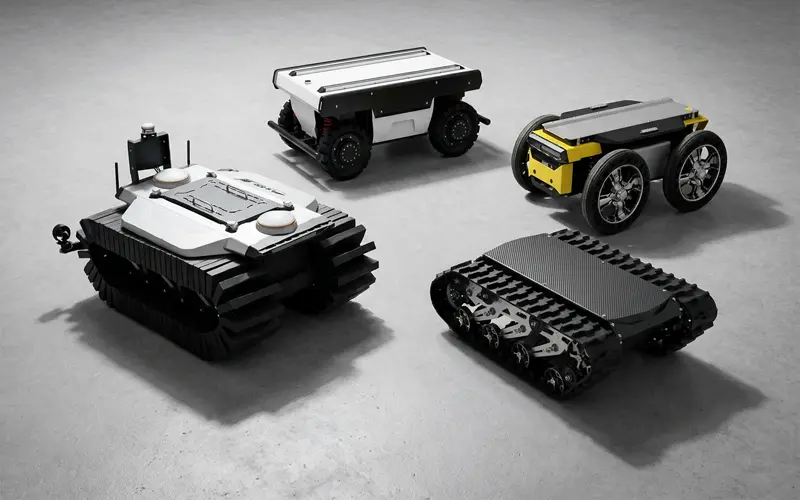
The demand for intelligent automation is rapidly increasing across industries. Companies today are searching for robotic solutions that can operate in complex environments, reduce operational risks, and improve productivity. Traditional wheeled and tracked robots have delivered significant value, but they often struggle with uneven terrain, narrow spaces, and unpredictable working conditions.
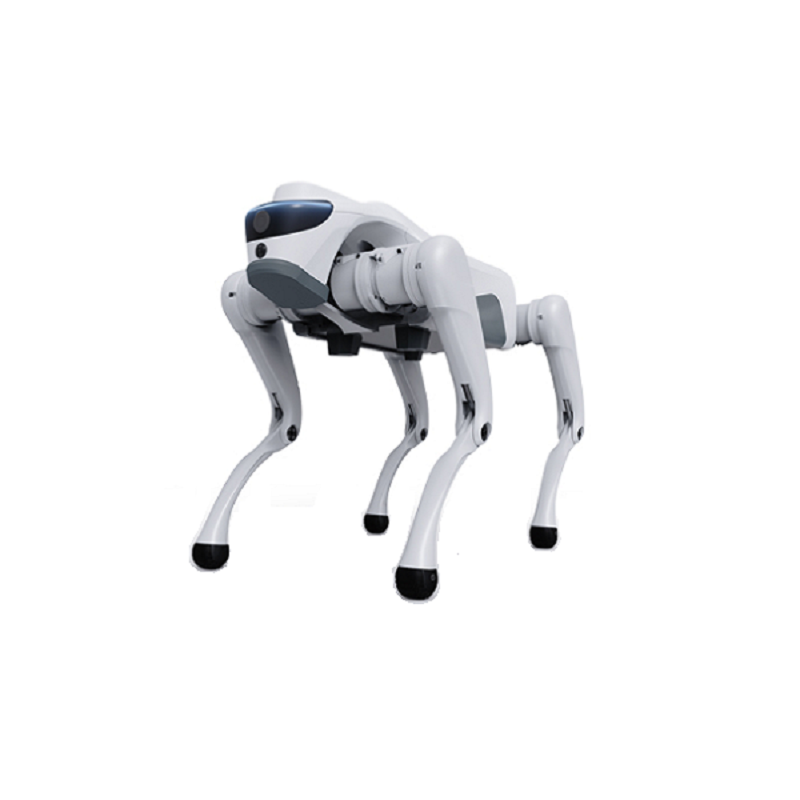
This is where the quadruped robot provides a new possibility. Inspired by the movement capabilities of four-legged animals, this type of robot combines mechanical engineering, artificial intelligence, sensor technology, and autonomous navigation systems to achieve highly flexible movement.
Unlike conventional robots that require specially designed environments, quadruped robots can climb stairs, cross obstacles, walk on rough surfaces, and perform tasks in locations that may be dangerous or inaccessible for humans. These capabilities make them increasingly valuable in industrial inspection, security monitoring, emergency response, research exploration, and smart manufacturing.
As a professional technology enterprise, Tianjin Weide Aviation Technology Co., Ltd. focuses on advanced intelligent equipment development and provides innovative robotic technology solutions designed to meet the changing requirements of modern industries.
A quadruped robot is an intelligent robotic platform that uses four articulated legs as its primary movement system. Each leg usually contains multiple joints controlled by motors, allowing the robot to maintain balance and adjust its posture according to different environments.
Compared with traditional mobile robots, a quadruped robot has several unique characteristics:
The structure of a quadruped robot typically includes mechanical legs, a central control system, batteries, communication modules, sensors, and intelligent software. These components work together to create a highly adaptable robotic system.
Businesses adopting robotic technology usually focus on three major goals: improving efficiency, reducing risks, and expanding operational capabilities. Quadruped robots provide advantages in all these areas.
| Advantages | Business Value |
|---|---|
| Flexible movement | Allows robots to operate in environments where wheeled robots cannot perform effectively. |
| Strong stability | Maintains reliable performance on uneven terrain and complex surfaces. |
| Risk reduction | Enables remote inspection in dangerous areas and protects human workers. |
| Smart data collection | Provides real-time information through cameras, sensors, and monitoring systems. |
| Long-term operation | Supports continuous tasks with reduced labor requirements. |
For industries such as energy, manufacturing, public safety, and infrastructure management, these advantages create significant operational improvements. A quadruped robot is not simply a replacement for human workers; it is a powerful assistant that extends human capabilities.
The application range of quadruped robots continues expanding as technology improves. Their ability to move naturally in complicated environments makes them suitable for many professional scenarios.
Factories, power plants, and industrial facilities often contain areas that require regular inspection. Traditional manual inspection can be time-consuming and sometimes dangerous. Quadruped robots can automatically patrol facilities, collect equipment data, and identify potential problems before failures occur.
Security teams can use quadruped robots for intelligent monitoring. Equipped with cameras and communication systems, these robots can patrol large areas and provide real-time information.
In disaster zones, unstable buildings, or hazardous environments, sending people directly into dangerous locations may create serious risks. A quadruped robot can enter these areas first, collect information, and support rescue operations.
Researchers use quadruped robots for environments where mobility and adaptability are essential. Their ability to handle complex terrain makes them valuable tools for exploration and testing.
Many industries face operational difficulties caused by complex environments, labor shortages, and safety concerns. A quadruped robot provides practical solutions by combining advanced mobility with intelligent automation.
| Industry Challenge | Traditional Problem | Quadruped Robot Solution |
|---|---|---|
| Dangerous working environments | Workers may face risks from extreme temperatures, toxic areas, unstable structures, or heavy equipment. | Robots can enter hazardous areas first and collect information without exposing personnel to danger. |
| Limited inspection efficiency | Manual inspection requires significant time and human resources. | Automated robotic patrol improves inspection frequency and data accuracy. |
| Complex terrain limitations | Wheeled robots may fail on stairs, uneven ground, or obstacles. | Four-legged movement provides better adaptability and obstacle-crossing ability. |
| High labor costs | Continuous monitoring requires large teams and repeated operations. | Robotic systems support long-duration autonomous tasks. |
By addressing these pain points, quadruped robots help organizations improve safety, reduce costs, and create more efficient workflows. The combination of robotics and artificial intelligence is changing the way businesses manage challenging environments.
A high-performance quadruped robot depends on multiple advanced technologies working together. Each component plays an important role in achieving stable movement, accurate control, and intelligent decision-making.
Tianjin Weide Aviation Technology Co., Ltd. combines innovative engineering concepts with intelligent technology development to create robotic solutions that support modern industrial requirements. Through continuous improvement, advanced quadruped robot systems are becoming more reliable, efficient, and accessible.
Selecting a suitable quadruped robot requires careful consideration of application requirements. Different industries may need different performance characteristics, so companies should evaluate several important factors before investment.
| Selection Factor | Important Considerations |
|---|---|
| Application Environment | Determine whether the robot will operate indoors, outdoors, on rough terrain, or in hazardous areas. |
| Mobility Performance | Check walking stability, climbing ability, obstacle handling, and movement flexibility. |
| Payload Capability | Ensure the robot can carry required sensors, cameras, or additional equipment. |
| Battery Life | Longer operating time improves efficiency for inspection and monitoring tasks. |
| Control System | Evaluate remote control functions, autonomous operation, and software compatibility. |
| After-Sales Support | Reliable technical support helps maintain long-term operational performance. |
A successful robotic deployment is not only about purchasing equipment. It requires choosing a solution that matches real operational needs. Companies should focus on reliability, adaptability, and future expansion possibilities.
The future of quadruped robot technology is closely connected with advances in artificial intelligence, automation, and intelligent manufacturing. As hardware becomes more powerful and software becomes smarter, these robots will continue expanding into new industries.
Several important trends are expected to shape future development:
As companies continue searching for safer and smarter solutions, quadruped robots are expected to become an essential part of next-generation automation systems.
A quadruped robot uses four articulated legs instead of wheels or tracks. This design allows better balance, flexible movement, and improved performance on uneven terrain.
Industries including manufacturing, energy, construction, security, emergency response, and research can benefit from quadruped robotic technology.
Yes. Many modern quadruped robots integrate sensors, artificial intelligence, and navigation systems that allow autonomous movement and task execution.
Yes. Their four-leg structure provides strong adaptability for outdoor areas, including uneven surfaces, slopes, and complex terrain.
By performing inspections and monitoring tasks in dangerous locations, quadruped robots reduce the need for humans to enter risky environments.
The development of quadruped robots represents a major step forward in intelligent automation. Their unique combination of mobility, stability, and smart control allows them to solve challenges that traditional robotic systems cannot easily handle.
From industrial inspection to emergency response, these robots are helping organizations improve efficiency, enhance safety, and explore new possibilities. As technology continues advancing, quadruped robots will play an increasingly important role in building smarter and more connected working environments.
Tianjin Weide Aviation Technology Co., Ltd. is committed to exploring innovative robotic solutions and supporting customers with advanced intelligent equipment designed for modern applications. With professional technology development capabilities and a focus on practical industry needs, the company continues helping businesses move toward a smarter future.
Looking for a reliable quadruped robot solution to improve automation, inspection efficiency, and workplace safety? Tianjin Weide Aviation Technology Co., Ltd. provides professional robotic technology solutions tailored to different application scenarios.
Contact us today to discuss your project requirements and discover how intelligent robotic technology can create greater value for your business.