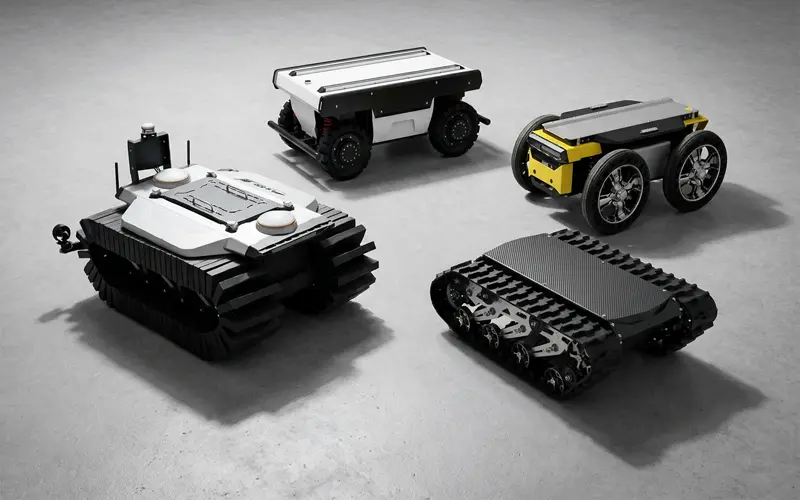
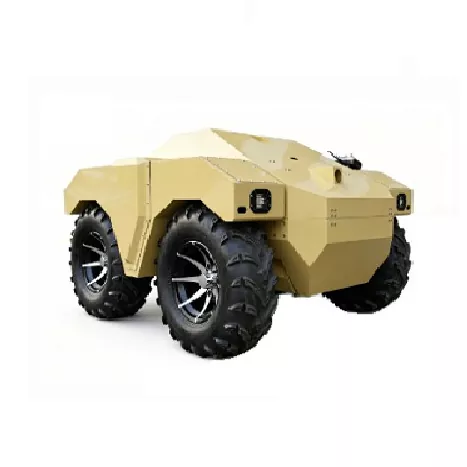
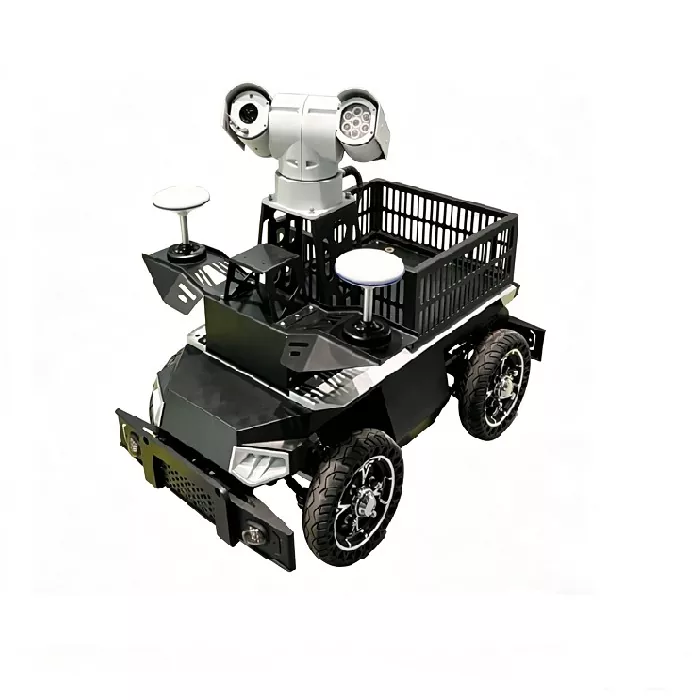
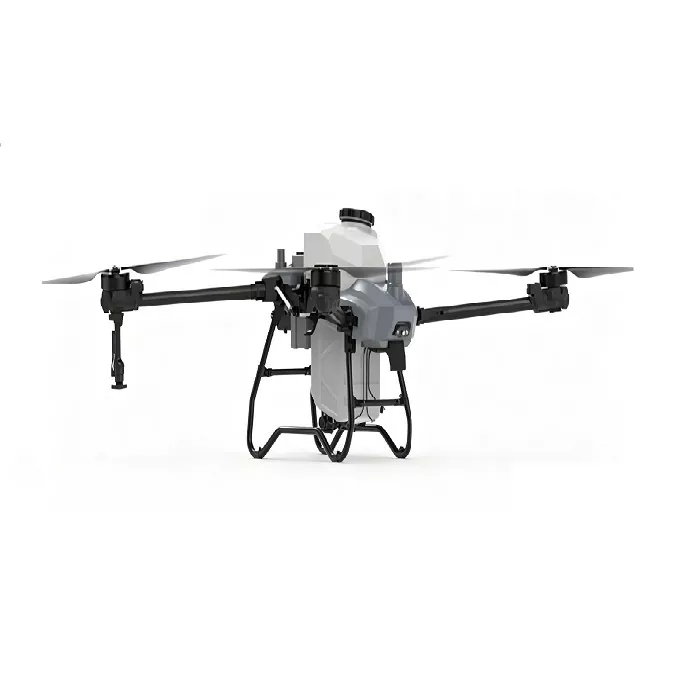
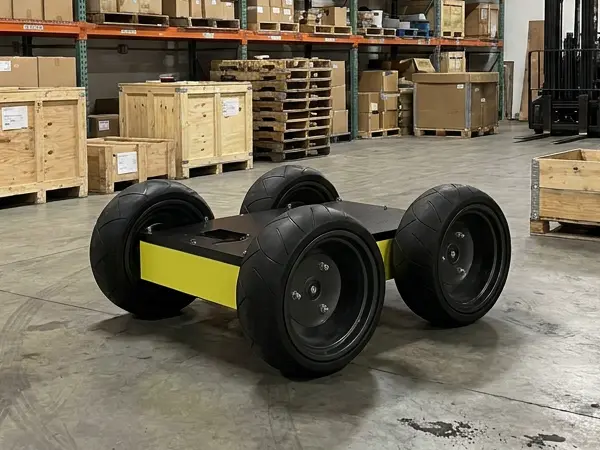
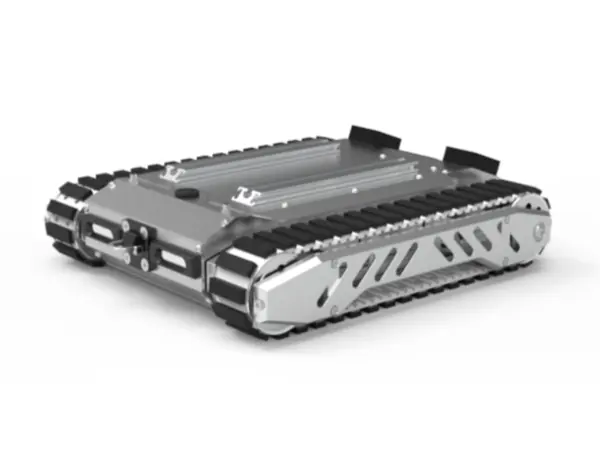
The W6 Heavy-duty Wheeled Platform is designed to transform industrial material handling by combining strength, stability, and mobility into a single engineered solution. In demanding environments such as warehouses, factories, logistics centers, and construction sites, inefficient transport systems often lead to delays, safety risks, and unnecessary labor costs. This article explores how the W6 platform addresses these challenges through advanced structural design, high load-bearing capacity, ergonomic optimization, and long-term durability. It also provides a deep analysis of its applications, specifications, safety advantages, and maintenance strategies to help businesses make informed procurement decisions.
This article provides a structured deep dive into the W6 Heavy-duty Wheeled Platform, covering its engineering design, industrial benefits, application scenarios, and operational efficiency improvements. It is designed for warehouse managers, logistics planners, procurement teams, and industrial engineers seeking reliable material handling solutions.
Understanding the W6 Heavy-duty Wheeled Platform
The W6 Heavy-duty Wheeled Platform is an industrial-grade transport device engineered for moving heavy goods with minimal effort. Unlike conventional carts or manual carriers, the W6 model integrates reinforced structural frames and high-performance wheels designed to distribute weight evenly and reduce friction during movement.
Its core design philosophy revolves around three principles: load stability, operational efficiency, and long-term durability. These principles ensure that the platform can perform consistently in environments where daily workloads exceed standard handling capabilities.
Industries that rely heavily on repetitive transportation of goods often struggle with equipment failure, worker fatigue, and inefficient workflow layouts. The W6 platform addresses these issues by acting as a stable, high-capacity mobility solution.
Key Features and Engineering Design
The engineering behind the W6 Heavy-duty Wheeled Platform focuses on maximizing load performance while maintaining maneuverability. Its structure is typically built using reinforced steel or industrial-grade alloy materials that resist deformation under pressure.
Reinforced Frame Structure: Designed to support high-weight loads without bending or warping.
High-Load Bearing Wheels: Industrial casters allow smooth movement across different floor types.
Anti-slip Surface Design: Prevents cargo shifting during transport.
Shock Absorption System: Reduces vibration during movement over uneven surfaces.
Corrosion-resistant Coating: Enhances longevity in humid or chemical-prone environments.
These features combine to create a system that is not only strong but also highly adaptable to various industrial environments.
Industrial Pain Points It Solves
Many industrial operations face recurring logistical inefficiencies. The W6 Heavy-duty Wheeled Platform directly addresses these challenges by improving internal material flow and reducing dependency on manual lifting.
Excessive Labor Fatigue: Reduces the need for repetitive heavy lifting.
Slow Material Transport: Increases movement speed across production lines.
Equipment Breakdowns: Built for long-term use under heavy loads.
Safety Hazards: Minimizes risks associated with manual handling injuries.
Inefficient Workflow Layouts: Supports optimized factory and warehouse logistics.
By solving these issues, the platform significantly enhances operational continuity and productivity.
Applications Across Industries
The versatility of the W6 Heavy-duty Wheeled Platform makes it suitable for a wide range of industries. Its adaptability ensures consistent performance regardless of the operational environment.
Manufacturing plants for component transportation
Warehouses for pallet and boxed goods movement
Construction sites for heavy tool and material handling
Automotive workshops for parts and equipment transfer
Logistics centers for fast distribution operations
Each industry benefits from improved workflow efficiency, reduced operational delays, and enhanced safety standards.
Technical Specifications Overview
Below is a generalized technical breakdown of the W6 Heavy-duty Wheeled Platform. Actual specifications may vary depending on customization requirements.
Durability is one of the most critical aspects of the W6 Heavy-duty Wheeled Platform. The selection of materials directly impacts performance, safety, and lifecycle cost. High-strength steel is commonly used to ensure structural integrity under extreme loads.
In addition, surface treatments such as powder coating or galvanization protect against corrosion, especially in humid or chemically active environments. This ensures that the platform remains functional even after prolonged exposure to harsh conditions.
The wheels are typically constructed from polyurethane or reinforced rubber, providing both grip and smooth motion while minimizing floor damage.
Safety and Ergonomic Benefits
Safety is a core consideration in industrial design, and the W6 Heavy-duty Wheeled Platform significantly improves workplace safety standards. By reducing manual lifting requirements, it minimizes the risk of musculoskeletal injuries among workers.
Reduces physical strain on employees
Improves load stability during transport
Minimizes risk of accidental dropping of goods
Enhances control in narrow or crowded workspaces
From an ergonomic perspective, the platform is designed to reduce pushing force requirements, enabling smoother operation even when fully loaded.
Comparison with Traditional Platforms
To understand the advantages of the W6 Heavy-duty Wheeled Platform, it is useful to compare it with traditional manual carts and basic transport trolleys.
Feature
W6 Heavy-duty Platform
Traditional Cart
Load Capacity
High (up to 3000 kg)
Low to medium
Durability
Industrial-grade reinforced structure
Basic metal or plastic frame
Safety Level
High stability and control
Moderate stability
Maintenance Needs
Low
Moderate to high
Operational Efficiency
High
Limited
Maintenance and Lifespan Optimization
Proper maintenance is essential to ensure long-term performance of the W6 Heavy-duty Wheeled Platform. Fortunately, its design minimizes maintenance requirements compared to conventional systems.
Recommended maintenance practices include regular wheel inspection, lubrication of moving parts, and surface cleaning to prevent debris accumulation. Checking structural integrity periodically also ensures safe operation.
Inspect wheels every 2–4 weeks
Clean platform surface regularly
Lubricate bearings for smooth motion
Avoid overloading beyond rated capacity
Following these steps can significantly extend the lifespan of the platform and maintain optimal performance levels.
Buying Considerations
When selecting a W6 Heavy-duty Wheeled Platform, several factors should be evaluated to ensure it meets operational requirements.
Load capacity requirements
Floor surface type (concrete, epoxy, industrial tiles)
Customization requirements for industry-specific use
Choosing the correct configuration ensures maximum efficiency and long-term cost savings.
Frequently Asked Questions
Q1: What is the maximum load capacity of the W6 Heavy-duty Wheeled Platform?
It typically ranges from 500 kg to 3000 kg depending on configuration and materials used.
Q2: Can it be used outdoors?
Yes, but it is recommended for semi-outdoor environments with proper maintenance to prevent corrosion.
Q3: Does it require special training to operate?
No special training is required, but basic safety handling guidelines should be followed.
Q4: How long does it last?
With proper maintenance, it can last several years even under heavy industrial use.
Q5: Can it be customized?
Yes, customization options include size, wheel type, and load capacity adjustments.
Conclusion and Contact Information
The W6 Heavy-duty Wheeled Platform stands as a reliable and efficient solution for modern industrial material handling challenges. Its robust structure, high load capacity, and ergonomic advantages make it a valuable asset in improving operational efficiency and workplace safety across multiple industries.
By integrating advanced engineering principles with practical usability, it helps businesses streamline logistics operations and reduce long-term operational costs.
For enterprises seeking dependable material handling equipment, professional customization and technical support are essential to maximizing performance outcomes.
Tianjin Weide Aviation Technology Co., Ltd. specializes in high-performance industrial equipment solutions designed to meet demanding operational environments. For product inquiries, customization options, and technical consultation, please feel free to contact us.
Contact us today to explore how the W6 Heavy-duty Wheeled Platform can optimize your material handling systems and improve your operational efficiency.
We use cookies to offer you a better browsing experience, analyze site traffic and personalize content. By using this site, you agree to our use of cookies.
Privacy Policy