Email Us
News & Insights

Robotics & Automation Beginner Guide: Definitions, Study Contents, Job Responsibilities, AI & RPA Differences

2026-11-11 0 Leave me a message

A plain-language beginner guide to robotics and automation, covering core definitions, study topics, job duties, AI and RPA confusion, and practical questions to verify before choosing a path.

Robotics and automation is a broad field that connects machines, software, sensors, and control systems to get work done with less manual effort. Students, technicians, career changers, and operations professionals often encounter the same words used for factory robot arms, software bots, and engineering programs. The sections below separate the core terms, show what people study, and explain how to check job duties and training requirements before choosing a path.

Key Takeaways

Robotics and automation overlap but are not identical. Automation is the wider idea of reducing manual work with technology; robotics focuses on machines or systems that sense, control, and act.

Robotic automation generally means automation carried out with robotic technology for a task or application. The term is not limited to one industry or one type of machine.

Programs may cover embedded systems, robots, microprocessors, microcontrollers, controls, sensors, mechanics, and programming, but curricula vary by program.

Job ads can show duties, but one posting is not a universal job description.

AI, RPA, robotics, and automation are related categories, not synonyms. Check the specific tools, coding expectations, and training requirements for each role or program.

Robotics and Automation: What the Terms Mean

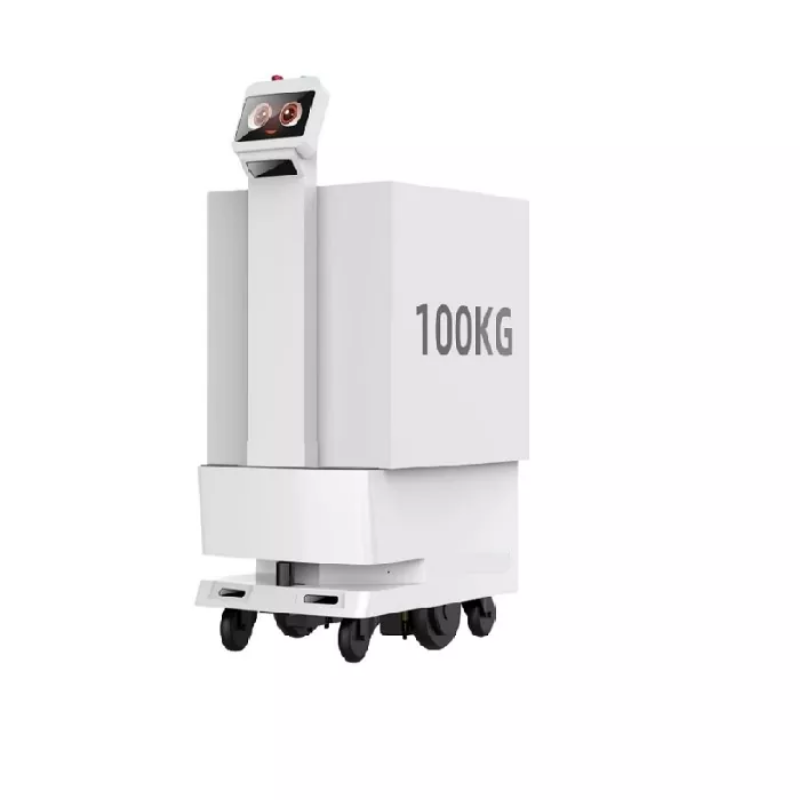
Automation is the broader idea: using technology to perform tasks with reduced manual intervention. Robotics is narrower in one sense because it focuses on machines or systems that sense, control, and act. The boundary is not perfectly fixed. A conveyor with sensors may be automation without being a robot. A mobile robot in a warehouse may combine mechanics, sensors, power, and software. A software bot that moves data between business applications is also automation, but it is not physical robotics.

Robotics vs. automation

A useful beginner distinction is that automation describes the goal and the system, while robotics describes a physical or embodied approach to part of that system. Robotic automation means automation carried out with robotic technology for a task or application. Definitions may differ depending on whether they discuss industrial equipment, software workflows, or research systems.

Robotic automation in plain language

Robotic automation is automation implemented with robots. A factory cell where a robot arm moves a part while a programmable logic controller (PLC) coordinates signals between sensors, drives, and safety devices is one example. It is not a product recommendation or a claim about every site. The key point for a beginner is that robotic automation usually combines mechanical hardware, electrical power, sensing, control logic, and software.

Why Robotics and Automation Matter in the Workplace

In industrial workplaces, robotics and automation appear in maintenance, production, logistics, laboratories, and engineering support. The work is often practical and systems-focused rather than purely theoretical. Not every role involves designing robots from scratch. Many roles involve keeping automated equipment running, integrating components, documenting changes, and troubleshooting faults under production pressure.

Common technician duties

Duties vary by employer, but a robotics engineer task list gives a useful sense of nearby technical work. The list includes integrating robotics with peripherals such as welders or controllers, providing technical support, documenting changes, writing algorithms for specific applications, processing sensor data, planning mobile robot paths, debugging programs, and installing, calibrating, or maintaining robots. Technician roles may focus more on hands-on maintenance and troubleshooting, while engineering roles may focus more on design, integration, and documentation. The split depends on the employer, plant, and level of training.

How job ads describe the work

Job ads vary, so treat any single posting as one example of how employers describe the work, not as a universal requirement. A different employer may emphasize vision systems, conveyor controls, welding robots, or software scripting. When reading a job ad, separate the tools named from the underlying skills. PLC troubleshooting, electrical safety awareness, mechanical aptitude, and the ability to read documentation are often more transferable than one brand-specific platform.

What Students Study in Robotics and Automation Engineering

Robotics and automation engineering programs usually blend mechanical, electrical, computing, and control topics. The exact mix varies by school, degree level, and department. A mechanical engineering program may emphasize mechanics and design, while an engineering technology program may emphasize installation, maintenance, and industrial controls. A computer science pathway may emphasize perception, software, and algorithms. These paths prepare students for different kinds of work.

Core course themes

Broader themes may include embedded systems, robots, microprocessors, microcontrollers, mechanics, electronics, sensors, actuators, control theory, PLC programming, industrial networks, safety, and systems integration. Curricula differ, and a program strong in industrial automation may look different from one built around research robotics or autonomous systems.

Embedded systems and controls

Embedded systems are small computing systems built to perform dedicated functions. Microcontrollers are common in embedded work and help connect sensors, actuators, and control logic. In an automation context, work may also involve PLCs, human-machine interfaces, motor drives, and safety circuits. Before enrolling, ask how much time you get with real hardware, simulation software, and industrial equipment. Ask whether the program uses tabletop kits, lab robots, or full industrial cells. Those details affect how much troubleshooting practice you get.

Robotics, Automation, AI, and RPA: Clearing Up Confusion

Beginners often ask how AI, robotic process automation, robotics, and automation fit together. They overlap but are not synonyms. Artificial intelligence is a broad label for computing methods that perform tasks associated with human intelligence, such as learning or recognition. Robotics is about machines or systems that sense, control, and act. Automation is the wider effort to reduce manual intervention. RPA is usually treated as software automation for routine digital tasks, not as physical robotics.

AI vs. robotic process automation

AI and RPA are commonly discussed as different categories. AI may involve models that classify images, interpret language, or support decisions. RPA may involve software bots that follow rules to move data between applications or complete repetitive digital steps. Definitions and product capabilities vary, so do not assume every AI system controls a robot or every RPA tool is intelligent. A robot can use AI, but not every robot does. An automation workflow can use AI, but not every automation workflow needs it.

Is RPA coding?

Requirements vary by role and tool. Some RPA platforms emphasize visual, low-code workflow building. Others expect scripting, integration work, or application programming interface knowledge. Some jobs blend RPA with data analysis, business process analysis, or software testing. Check the specific job posting and training program rather than treating RPA as either always coding or never coding.

Robotics vs. software automation

A simple way to remember the difference is that robotics usually moves atoms, while software automation usually moves data. That contrast is useful but imperfect. A physical robot depends on software, and a software automation project may interact with physical systems through APIs or databases. For beginners, the practical question is what you want to work on: hardware and equipment, business workflows, or the integration layer between them.

How to Evaluate Robotics and Automation Pathways

Use job postings and course outlines as comparison tools, not guarantees. Start with the duties you want to perform, then work backward to the training that supports them. If a program advertises robotics but focuses mostly on simulation, ask how that fits your goals. If a job ad lists PLC platforms you have never used, ask whether the employer provides training or expects prior experience.

Related News
Leave me a message
Email
info@tjwdhk.cn
Address
Room 3025, Building 1, Zone F, Guangxuan Road, Airport International Headquarters Base, Dongli District, Tianjin City, China
X
We use cookies to offer you a better browsing experience, analyze site traffic and personalize content. By using this site, you agree to our use of cookies. Privacy Policy
RejectAccept