Email Us
News & Insights

What Is a Rubber Track Crawler? Complete Buyer’s Guide to Rubber Track Crawler Chassis & Undercarriage

2026-11-06 0 Leave me a message

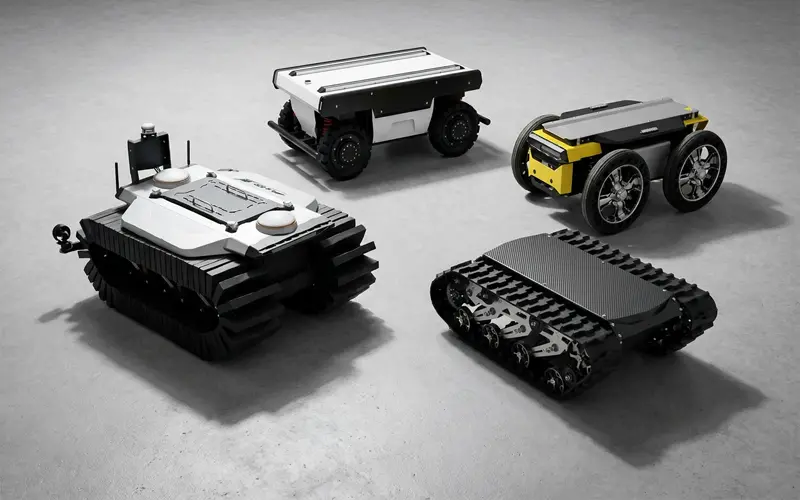
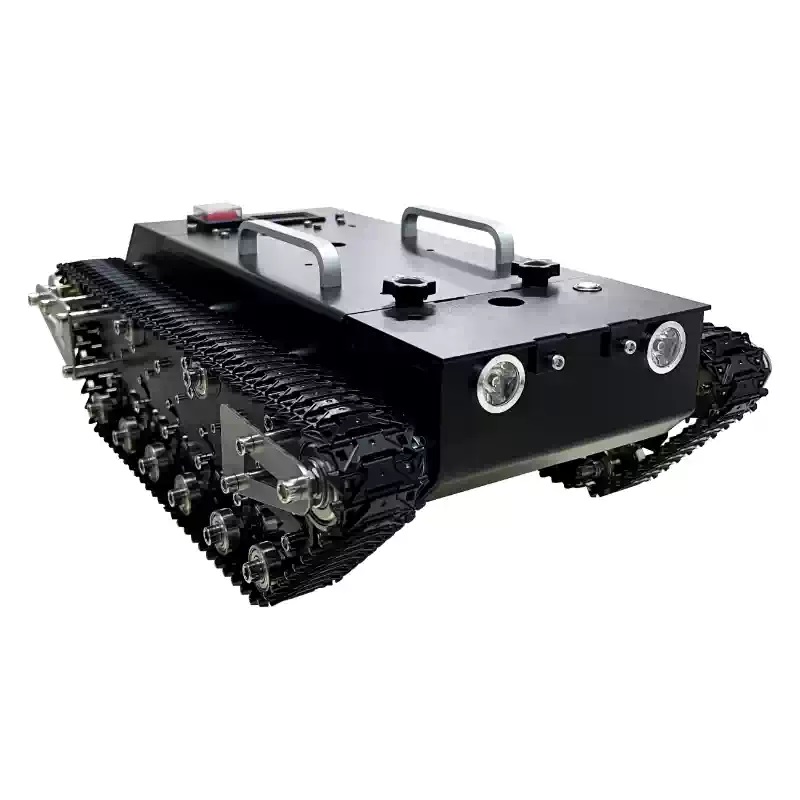
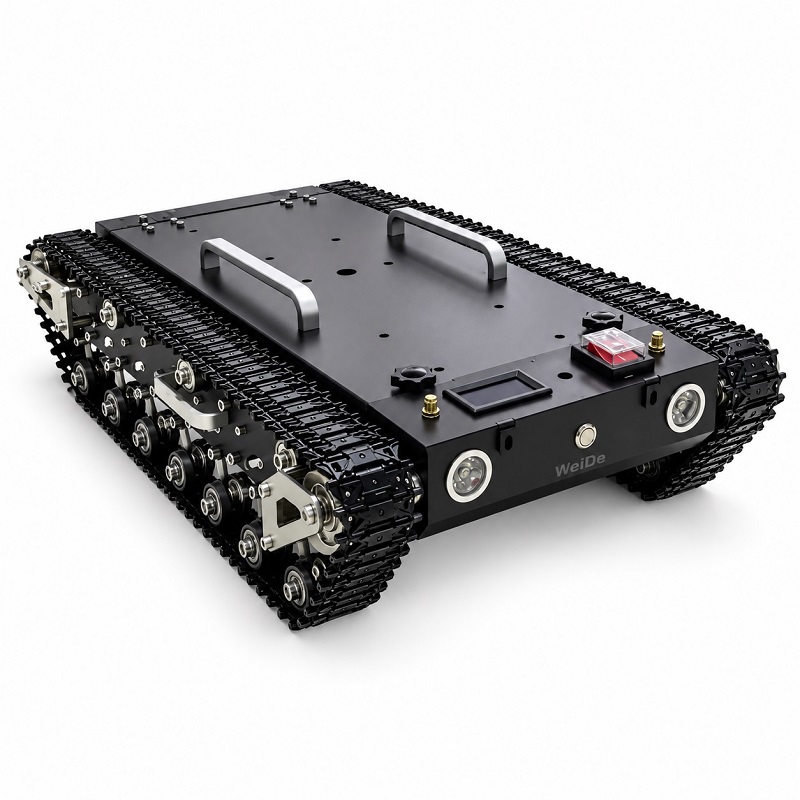
A rubber track crawler, also widely known as a compact tracked dumper or tracked carrier, is a compact tracked hauler that moves soil, gravel, mulch, and debris across soft, wet, or finished ground without tearing up turf the way a standard wheeled cart does. If you compare hauling equipment for landscaping, hardscaping, construction, or farm work, you will often see this term grouped alongside compact tracked dumper, crawler carrier, and tracked wheelbarrow. The rubber track crawler relies on a rubber track undercarriage — the tracked chassis that delivers low ground pressure and flotation — which is also sold separately as a standalone crawler chassis for custom machine builds.

This plain‑English buyer’s guide explains what the machine does well, how ground pressure and flotation affect field performance, what specifications to verify before buying or renting, and essential safety practices for operators. Our core goal is straightforward: help you select a rubber track crawler that matches your actual job site conditions, rather than only picking based on advertised spec sheet numbers.

Key Takeaways

A rubber track crawler performs best on soft, wet, sloped, or turf‑sensitive ground.

Rubber tracks reduce ground pressure versus wheels, though rubber track undercarriage maintenance and replacement costs are higher over the long run.

Match rated load capacity, overall width, dump height, and slope capability to your typical job site requirements.

Inspect track tension daily; keep loads low and centered, and travel straight up and down slopes whenever possible.

What a Rubber Track Crawler Is and Where It Shines

A rubber track crawler is a compact tracked dumper fitted with a front skip or bucket, walk‑behind or ride‑on operator platform, and a reinforced rubber track undercarriage in place of four wheels. Operators load it by hand or with support equipment such as mini excavators or skid steers, drive to the dumping zone, and unload via hydraulic dumping action. Most buyers in the US compare models with payload ratings between 500–2,500 lb.

It fills the performance gap between a manual tracked wheelbarrow and a full‑size dump truck: narrow enough to pass through standard residential gates, stable on muddy job sites, and gentle enough for finished lawn and turf. The same rubber track chassis can also be integrated into custom machinery for specialized off‑road hauling.

Common applications include landscaping and hardscaping, tight‑access backyard projects, wet sites after rainfall, sloped residential lots, utility and irrigation installation, and light demolition debris cleanup. On dry, flat, hard pavement, wheeled haulers often cost less and travel faster. The rubber track crawler delivers its biggest advantage when flotation, reliable traction, or turf protection becomes the deciding factor.

For example: A crew removing 3 cubic yards of wet soil through a 36‑inch gate may need dozens of messy wheelbarrow trips. Alternatively, they can use a 35‑inch‑wide tracked hauler and finish the job in 6–8 cleaner trips. The machine is not faster due to higher driving speed; it saves time because each trip carries more material and spreads weight across a wider contact footprint.

Rubber Tracks vs Wheels: Why the Undercarriage Matters

The undercarriage is the core advantage of this equipment. Wheels concentrate the machine’s weight on four small contact patches. Rubber tracks distribute the same weight over a longer, wider footprint, so fewer pounds press on each square inch of ground. This measurement is ground pressure, and lower ground pressure creates better flotation — less sinking in soft soil and fewer ruts on finished turf.

Example: A 2,000 lb empty machine fitted with two tracks, each 4 inches wide and 60 inches long, has roughly 480 square inches of total contact area, for an empty ground pressure of about 4–5 psi. Narrow tires on the same machine would only touch the ground across four 6-by-4-inch patches (96 square inches total), pushing ground pressure several times higher.

Important note: This value applies to empty machine weight. Ground pressure will rise after loading materials.

Rubber tracks improve traction on loose soil, wet grass, and moderate mud, as track lugs maintain continuous grip. Even so, limits still apply. Deep, soupy mud can stall a tracked machine. Hard, slick rock or wet concrete gives lugs very little bite, and rubber wears rapidly on asphalt, concrete and sharp rock. Plan haul routes to minimize track travel across abrasive hard surfaces. Do not assume rubber tracks make the machine suitable for every terrain.

How to Evaluate a Rubber Track Crawler Before You Buy or Rent

Start from your real job conditions, then cross‑reference the spec sheet. The most common buyer mistake is chasing the highest payload number while ignoring overall width, site access, dump height and operator comfort.

Load capacity is a weight rating, not a volume rating. Dry topsoil weighs roughly 1,000–1,400 lb per cubic yard; wet sand can exceed 2,500 lb per cubic yard. A 0.5‑cubic-yard skip filled with wet sand may exceed the rated payload of a small crawler. Identify your heaviest regular material, calculate total weight, and select a model with rated load capacity at least 20% higher.

Check hydraulic dump height and dump angle: Confirm whether the raised skip can clear trailers, wheelbarrows or trench boxes. A steeper dump angle helps release sticky clay or wet soil. Manual dump options cost less upfront, but hydraulic dumping improves speed and safety for repeated cycles.

Engine selection is a balance of power, machine weight and local parts availability. Gasoline engines are lighter and usually cheaper at purchase. Diesel engines perform better for long shifts and continuous climbing on slopes.

Overall width is critical: A 42‑inch crawler cannot fit through a 36‑inch gate, while a 35‑inch unit will pass easily. Measure the narrowest point along your entire haul route, including fence posts, AC units, meters and railings.

Walk‑behind crawlers suit short haul distances. Ride‑on platforms reduce fatigue for all‑day operation, yet add overall machine length. If possible, test the unit in person to make sure you can clearly see both track edges during operation.

Operating and Safety Tips for First-Time Users

Most onsite accidents stem from uneven loading, turning across slopes, and neglected track tension maintenance. Always keep loads low and centered. Place heavier materials at the bottom center of the skip; avoid stacking weight on one side or high toward the rear.

When working on slopes, travel straight uphill and straight downhill only. Turning sideways across a steep grade shifts the center of gravity toward the downhill track edge. The crawler may tip before the operator can react. If you must turn, dump or reduce the load first, then complete wide, slow turns on flat ground.

Walk the full haul route before loading. Watch for soft ground patches, hidden stumps and buried drainage lines. Test unstable terrain with an empty crawler first.

Track tension is your #1 daily inspection item. A loose track may derail during turning. An over‑tight track accelerates wear on the undercarriage and strains the drive system. Always follow the manufacturer’s sag specification — the small designed gap between the track and middle support rollers.

Check tension before every shift, and recheck if the machine sat on soft ground overnight. Do not over‑tighten tracks just to prevent derailment; this habit speeds damage to bearings, sprockets and idler rollers. Complete the inspection on level ground with an empty skip. In muddy working conditions, inspect again midday, because packed mud can change effective track tension.

Risk note: Rubber tracks can derail, crawlers can tip on side slopes, and sharp debris can slice rubber tracks. Keep bystanders clear of the dumping zone. Never carry extra riders outside the designated operator platform. Stop work immediately if you hear abnormal track noise or feel sudden tilting.

Frequently Asked Questions

What is a rubber track crawler used for in landscaping?

A rubber track crawler is used to haul soil, gravel, mulch, and debris across soft, wet, sloped, or finished ground. It fits through narrow gates and helps landscapers move bulk material without damaging turf or leaving deep ruts.

How do rubber tracks compare to wheels on soft, wet ground?

Rubber tracks spread the machine's weight over a larger contact area, lowering ground pressure to reduce sinking and rutting. Wheels concentrate weight across small contact patches, so they tend to dig in and lose traction on wet turf, mud, or loose sand.

How much weight can a rubber track crawler carry?

Most compact rubber track crawlers are rated for roughly 500 to 2,500 pounds of payload. Match load capacity to your heaviest material, not only bucket volume, as wet sand or clay weighs far more than dry topsoil.

Is it better to rent or buy a rubber track crawler?

Renting often works better if you use the machine fewer than 20 to 30 days per year. Buying usually makes sense for consistent, multi‑season use because you avoid repeated rental costs and gain full scheduling freedom.


Related News
Leave me a message
Email
info@tjwdhk.cn
Address
Room 3025, Building 1, Zone F, Guangxuan Road, Airport International Headquarters Base, Dongli District, Tianjin City, China
X
We use cookies to offer you a better browsing experience, analyze site traffic and personalize content. By using this site, you agree to our use of cookies. Privacy Policy
RejectAccept