Discover how all-terrain special platforms improve mobility, efficiency, safety, and operational flexibility across challenging environments including construction sites, mining zones, airports, rescue missions, and remote industrial projects.
Article Summary
All-terrain special platforms have become indispensable in industries that require reliable transportation and operational stability under harsh and unpredictable conditions. From muddy construction sites and rocky mining regions to snow-covered rescue zones and uneven agricultural fields, these platforms provide outstanding mobility, durability, and operational efficiency.
This comprehensive guide explores the applications, benefits, technologies, selection criteria, maintenance strategies, and future trends of all-terrain special platforms. It also highlights how manufacturers like Tianjin Weide Aviation Technology Co., Ltd. contribute innovative solutions for industrial and specialized operational needs.
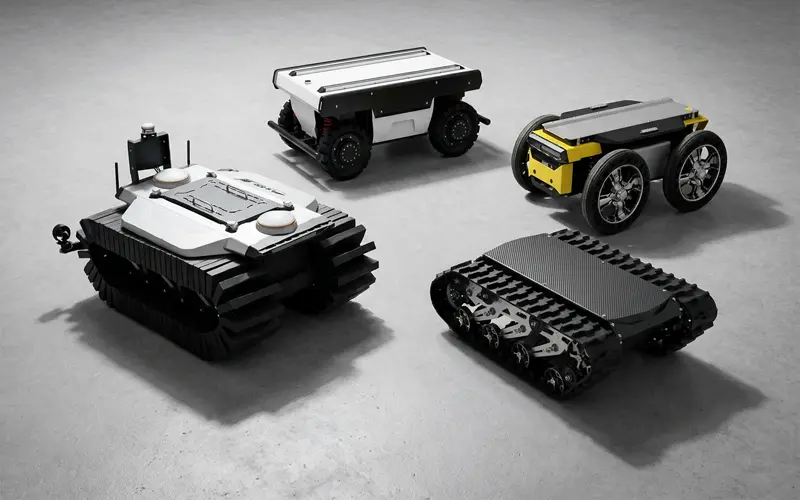
All-terrain special platforms are highly specialized vehicles or operational systems engineered to travel and function efficiently across difficult landscapes and harsh working conditions. Unlike traditional platforms that perform best on smooth and stable surfaces, all-terrain systems are built to maintain stability, traction, and reliability on uneven ground.
These platforms often feature reinforced chassis structures, advanced suspension systems, intelligent traction control, large off-road tires or tracks, and adaptable operational modules. Their primary objective is to support industries where standard equipment would fail or become inefficient.
Feature
Purpose
Heavy-Duty Suspension
Improves shock absorption on rough terrain
High Ground Clearance
Allows movement over rocks, mud, and debris
All-Wheel Drive
Enhances traction and stability
Modular Design
Supports multiple industrial applications
2. Why Industries Need All-Terrain Platforms
Modern industrial operations increasingly take place in remote, undeveloped, or environmentally challenging locations. Standard transportation and lifting systems often encounter limitations such as poor traction, mechanical instability, or operational downtime.
All-terrain special platforms solve these problems by ensuring consistent operational performance regardless of environmental conditions.
Reduced downtime caused by inaccessible terrain
Improved worker safety in hazardous environments
Enhanced transportation efficiency
Greater flexibility across multiple industries
Lower long-term operational costs
Better load-bearing performance
For industries like mining, aviation support, energy development, forestry, and military logistics, reliable terrain adaptability is not optional—it is essential.
3. Major Features and Advantages
Exceptional Mobility
These platforms can travel through mud, sand, snow, gravel, and steep slopes without sacrificing operational efficiency.
High Load Capacity
Engineered structural systems support heavy equipment, materials, and personnel even in unstable environments.
Enhanced Safety
Anti-rollover systems, traction management, and advanced braking technologies help reduce operational risks.
Multi-Functional Design
Many systems can be customized for lifting, transportation, rescue operations, aerial work, or mobile support functions.
4. Common Industrial Applications
All-terrain special platforms serve a broad range of industries where operational mobility is crucial.
Industry
Application
Construction
Heavy equipment transportation and elevated work operations
Mining
Ore transportation and underground access support
Agriculture
Field logistics and irrigation maintenance
Emergency Rescue
Disaster response in inaccessible areas
Airport Operations
Aircraft servicing and runway maintenance
Military
Tactical transport and mobile operational support
5. Platform Types Explained
Different operational environments require specialized platform configurations.
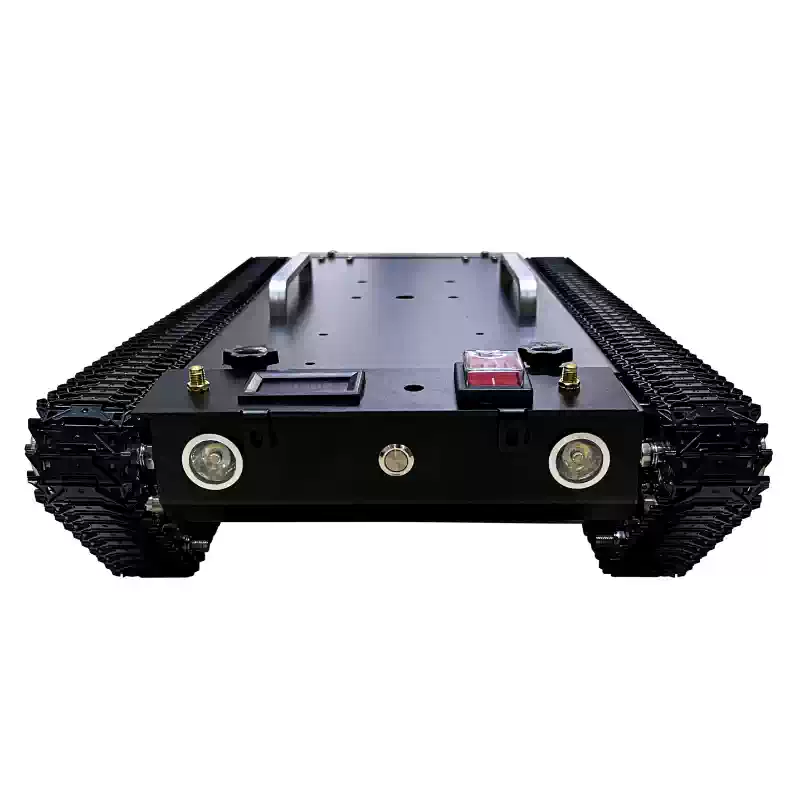
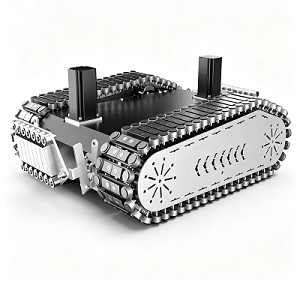
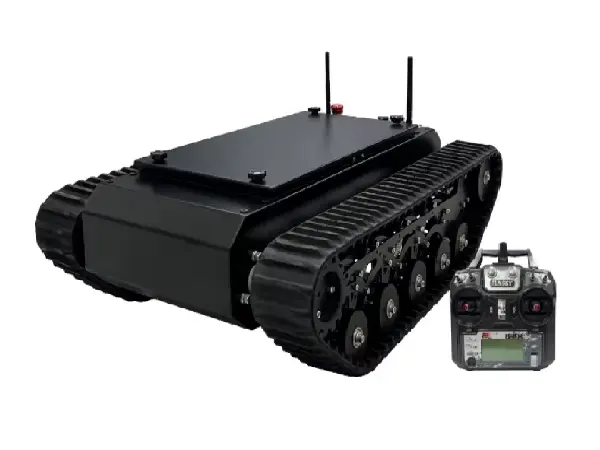
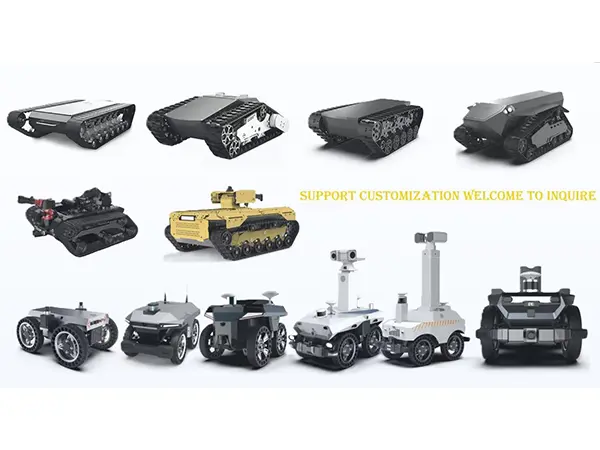
Tracked Platforms: Ideal for soft, muddy, or snowy terrain
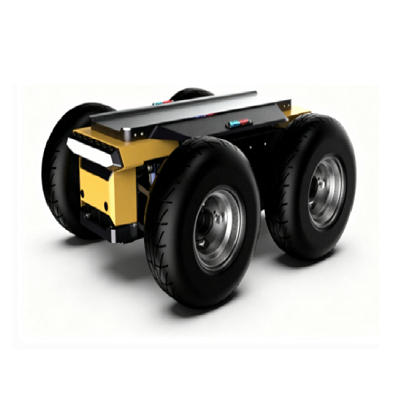
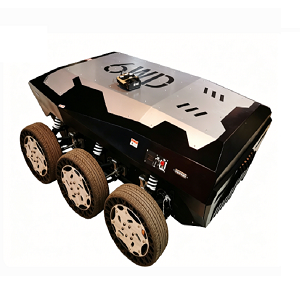
Wheeled Platforms: Suitable for mixed environments requiring higher speed
Amphibious Platforms: Designed for land and shallow water operations
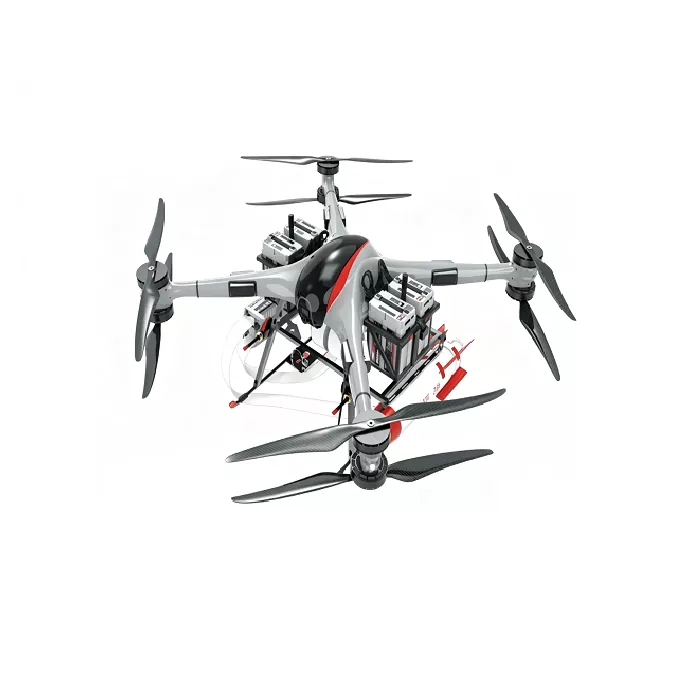
Aerial Work Platforms: Used for elevated industrial maintenance
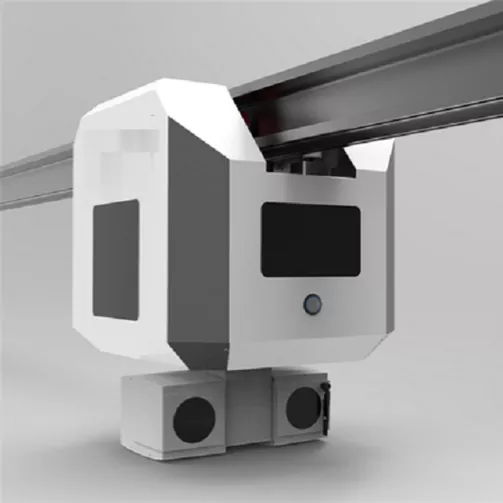
Autonomous Platforms: Operate remotely or through intelligent navigation systems
Choosing the right platform depends heavily on environmental conditions, operational demands, payload requirements, and long-term maintenance considerations.
6. Key Technologies Behind Performance
Modern all-terrain special platforms integrate advanced engineering technologies to maximize performance and reliability.
Hydraulic Stabilization Systems for improved balance
Smart Suspension Technology for adaptive terrain response
GPS and Intelligent Navigation for route optimization
Hybrid and Electric Power Systems for improved energy efficiency
Remote Monitoring Sensors for predictive maintenance
Corrosion-Resistant Materials for harsh environmental durability
Manufacturers continue investing in automation and intelligent systems to improve operational accuracy and reduce manual intervention.
7. How to Choose the Right Platform
Selecting the ideal all-terrain special platform requires careful evaluation of several operational factors.
Selection Factor
Importance
Terrain Conditions
Determines wheel or track requirements
Payload Capacity
Ensures safe load handling
Operational Range
Affects fuel and battery specifications
Climate Resistance
Critical for extreme temperatures
Maintenance Accessibility
Reduces downtime and repair costs
Businesses should also evaluate supplier support, spare parts availability, customization capabilities, and technical training services before making a purchasing decision.
8. Safety Considerations
Safety remains one of the most important aspects of operating all-terrain special platforms.
Routine inspections before operation
Proper operator training programs
Regular brake and tire system checks
Monitoring load distribution
Environmental risk assessment
Use of emergency communication systems
Advanced safety technologies such as rollover detection, emergency shutoff systems, collision sensors, and automated stabilization mechanisms further reduce operational risks.
9. Maintenance Best Practices
Proper maintenance significantly extends equipment lifespan and improves operational reliability.
Inspect hydraulic systems regularly
Lubricate moving components according to schedule
Replace damaged tracks or tires immediately
Monitor electronic systems for diagnostic alerts
Clean equipment after exposure to mud, salt, or chemicals
Store platforms in controlled environments when possible
Predictive maintenance systems equipped with intelligent sensors are becoming increasingly common, allowing operators to identify potential failures before they become critical.
10. Future Development Trends
The future of all-terrain special platforms is being shaped by automation, sustainability, and intelligent mobility technologies.
Key trends include:
Autonomous driving capabilities
AI-assisted terrain analysis
Electric and hybrid propulsion systems
Lightweight composite materials
Integrated IoT monitoring systems
Enhanced remote operation functionality
These innovations will continue improving operational efficiency while reducing environmental impact and labor intensity.
11. Frequently Asked Questions
Can all-terrain platforms operate in extreme weather?
Yes. Many all-terrain platforms are specifically designed for operation in snow, deserts, rain, muddy fields, and high-temperature industrial environments.
What industries benefit most from these platforms?
Construction, mining, agriculture, military logistics, emergency rescue, aviation support, and infrastructure maintenance industries gain significant advantages.
Are all-terrain platforms customizable?
Yes. Many manufacturers offer customized configurations based on terrain, payload, operational objectives, and environmental conditions.
How long do these platforms typically last?
With proper maintenance and operational management, high-quality all-terrain platforms can remain reliable for many years under demanding industrial conditions.
Why is terrain adaptability important?
Terrain adaptability ensures operational continuity in environments where standard equipment cannot safely or efficiently function.
12. Conclusion
All-terrain special platforms are transforming industrial mobility by delivering reliable performance in environments where conventional systems struggle. Their combination of durability, adaptability, safety, and intelligent engineering makes them essential for modern industrial operations.
As industries continue expanding into remote and challenging environments, demand for advanced all-terrain solutions will continue growing. Companies seeking long-term operational efficiency increasingly rely on innovative manufacturers such as Tianjin Weide Aviation Technology Co., Ltd. for specialized platform technologies tailored to demanding applications.
Contact us today to explore customized industrial mobility solutions designed to meet your unique operational challenges. Our professional team is ready to help you improve efficiency, safety, and performance in even the toughest environments.
We use cookies to offer you a better browsing experience, analyze site traffic and personalize content. By using this site, you agree to our use of cookies.
Privacy Policy